


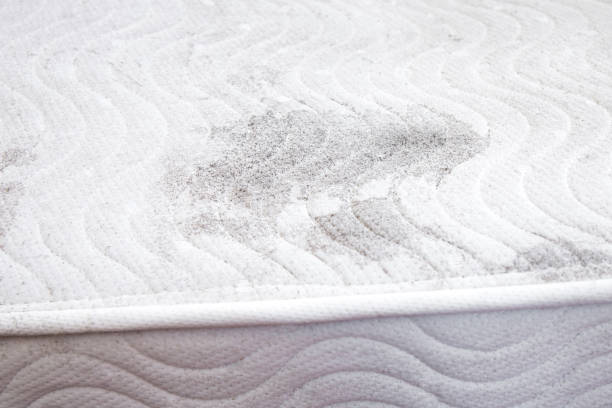
Your mattress is more than just a place to sleep; it’s where you relax, dream, and recharge. But what if your cozy mattress is hiding a dark secret? Mold. Mold in your mattress can be a serious health hazard. Let’s dive into how mold forms in mattresses, how to spot it, and how to prevent it.
How Does Mold Get Into Your Mattress?
Contents
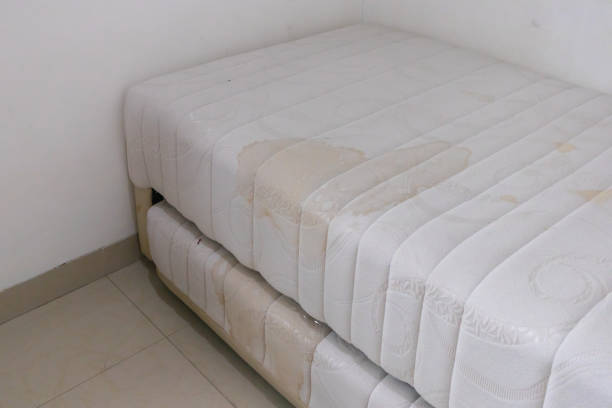
Mold loves damp and dark places. Your mattress, especially in humid environments, can become the perfect breeding ground. Sweat, spills, and even high humidity can make your mattress a moist haven for mold spores.
Sweat and Body Fluids
Every night, while you sleep, your body releases sweat and other fluids. Over time, this moisture seeps into your mattress. Mattresses absorb this moisture, creating a damp environment that mold loves. Think about all the hours you spend on your mattress, and you can imagine how much moisture it collects. This dampness can turn your cozy mattress into a moldy mess if not managed properly.
Spills and Accidents
Accidents happen. Maybe you spilled a drink while watching TV in bed, or your pet had an accident. Any liquid spill that isn’t thoroughly cleaned can lead to mold growth in your mattress. Even small spills, if not dried properly, can cause problems. Imagine a tiny puddle of water seeping deep into your mattress fibers. If left unchecked, this moisture can create a perfect spot for mold to start growing. So, it’s important to clean up spills right away to keep your mattress safe.
Humidity
If you live in a humid climate, your mattress is at a higher risk for mold. Humidity in the air can seep into your mattress, providing the moisture mold needs to grow. You might not see the moisture, but it’s there, silently making your mattress damp. This is why ventilation is so crucial. Without proper airflow, your mattress can become a breeding ground for mold. Using a dehumidifier in your bedroom can help keep the air dry and protect your mattress from mold.
Understanding how mold gets into your mattress is the first step to preventing it. Sweat, spills, and humidity can all contribute to mold growth in your mattress. By taking simple steps like cleaning up spills immediately, ensuring good ventilation, and using a mattress protector, you can keep your mattress mold-free. Your mattress should be a place of comfort and rest, not a home for mold.
Signs of Mold in Your Mattress
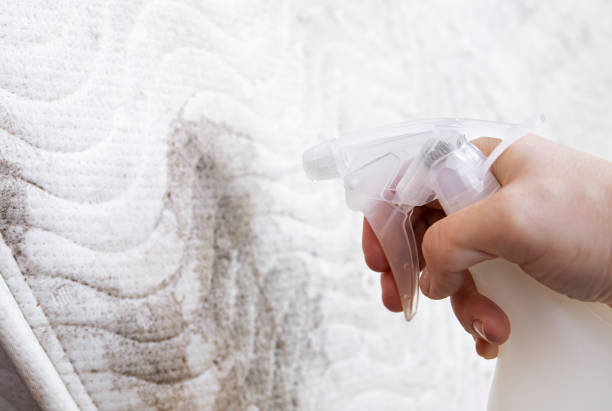
Detecting mold in your mattress early can prevent health problems and keep your sleep environment safe. Here are some signs to watch out for:
Musty Smell
Close your eyes and take a deep breath. Do you smell something musty? If your mattress emits a strong, unpleasant odor, it could be a sign of mold. Mold has a distinctive musty smell that can permeate your mattress and fill the air in your bedroom. So, if you catch a whiff of something funky every time you lie down, it might be time to investigate your mattress.
Stains
Take a good look at your mattress. Do you see any suspicious stains? Black, green, or white stains on your mattress could indicate mold growth. These stains may not always be obvious, especially if they’re hidden under sheets or covers. So, it’s essential to inspect your mattress regularly for any discoloration. If you spot any unusual stains, it’s time to take action.
Allergy Symptoms
Are you waking up with unexplained allergies or respiratory issues? Your mattress might be the culprit. Mold spores can trigger allergic reactions in some people, leading to symptoms like sneezing, coughing, and itchy eyes. If you notice that your allergy symptoms worsen when you’re in bed, it could be a sign that mold is lurking in your mattress. Pay attention to how you feel when you wake up in the morning—it could provide valuable clues about the condition of your mattress.
Visible Growth
Sometimes, mold makes its presence known in a more obvious way. If you see visible patches of mold or mildew on your mattress, it’s time to take immediate action. Mold can appear as fuzzy patches or dark spots on the surface of your mattress. Don’t ignore these signs—mold can spread quickly and pose serious health risks if left unchecked.
Deterioration of Mattress Material
Keep an eye on the condition of your mattress material. If you notice any unusual changes, such as crumbling foam or disintegrating fabric, it could be a sign of mold damage. Mold can break down the materials in your mattress over time, causing them to deteriorate and lose their structural integrity. So, if your mattress starts to feel lumpy or saggy, mold could be to blame.
Your mattress should be a source of comfort and relaxation, not a breeding ground for mold. By paying attention to these signs and taking proactive steps to maintain your mattress, you can keep mold at bay and enjoy a healthier sleep environment. Don’t ignore the warning signs—your health and well-being depend on it.
Health Risks of Moldy Mattresses
Sleeping on a moldy mattress can have serious consequences for your health. Mold spores lurking in your mattress can trigger various health issues, especially for those with allergies or respiratory conditions. Let’s explore the risks:
Allergic Reactions
Imagine waking up to a sneezing fit or itchy eyes. Mold in your mattress can trigger allergic reactions, causing symptoms like sneezing, a runny nose, red eyes, and skin rashes. Your mattress should be a sanctuary for restful sleep, not a source of discomfort and irritation.
Respiratory Issues
Your mattress should help you breathe easy, not make it harder. Breathing in mold spores from a moldy mattress can lead to asthma attacks and other respiratory problems. Mold spores can irritate your airways, making it difficult to breathe properly, especially while you’re asleep. If you find yourself wheezing or coughing more than usual, your mattress could be to blame.
Weakened Immune System
Your immune system is your body’s defense against illness. But prolonged exposure to mold can weaken your immune system, leaving you more vulnerable to other illnesses. Your mattress might seem harmless, but if it’s harboring mold, it could be undermining your body’s ability to fight off infections and stay healthy.
Increased Risk of Infections
Mold isn’t just a nuisance—it can also increase your risk of infections. Mold spores can settle in your respiratory tract, making it easier for bacteria and viruses to take hold. If you’re constantly getting sick or struggling to shake off infections, your moldy mattress could be playing a role.
Exacerbation of Existing Health Conditions
If you already have underlying health conditions, sleeping on a moldy mattress can make them worse. Conditions like allergies, asthma, and chronic respiratory diseases can be exacerbated by exposure to mold. Your mattress should be a place of comfort and healing, not a trigger for health problems.
Your mattress plays a crucial role in your health and well-being. Sleeping on a moldy mattress can compromise your health in more ways than one. From triggering allergic reactions to weakening your immune system, mold in your mattress poses serious health risks. Don’t let mold undermine your health and quality of life—take action to keep your mattress clean and mold-free. Your health is worth it.
How to Prevent Mold in Your Mattress
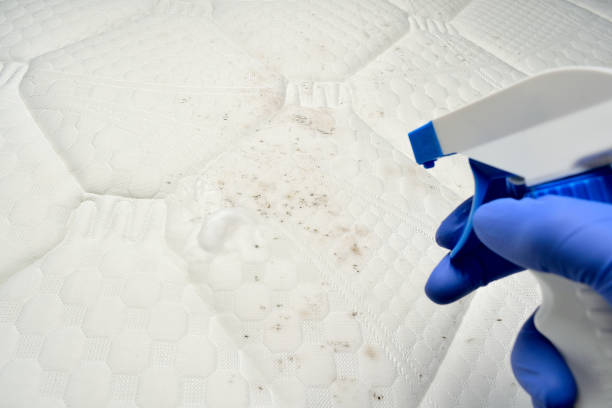
Preventing mold from invading your mattress doesn’t have to be a daunting task. With a few simple steps, you can keep your mattress fresh and mold-free. Here’s how:
Use a Mattress Protector
Think of a mattress protector as armor for your mattress. A waterproof mattress protector creates a barrier that shields your mattress from moisture. By preventing sweat, spills, and other liquids from seeping into your mattress, a protector can help keep mold at bay. It’s like giving your mattress a protective shield to ward off mold invaders.
Regularly Clean Your Mattress
Just like you wouldn’t skip a shower, don’t neglect your mattress hygiene. Regular cleaning is key to keeping mold away. Vacuum your mattress regularly to remove dust, dirt, and allergens that can provide a cozy home for mold spores. And don’t forget to spot-clean any spills immediately. Think of it as giving your mattress a spa day—it deserves some TLC too!
Ensure Proper Ventilation
Good airflow is essential for keeping mold in check. Make sure your bedroom is well-ventilated to prevent moisture buildup. Open windows whenever possible to let fresh air circulate. If you live in a humid area, consider using a dehumidifier to keep humidity levels in check. Proper ventilation is like giving your mattress room to breathe, preventing it from becoming a damp, moldy mess.
Sunlight Exposure
Who knew that sunshine could be a superhero in the battle against mold? Sunlight is a natural mold killer, so whenever possible, let your mattress soak up some rays. Take your mattress outside on a sunny day and let it bask in the sunlight for a few hours. The UV rays will help kill mold spores and freshen up your mattress. It’s like giving your mattress a dose of sunshine therapy!
Keep Pets Off the Mattress
As much as we love our furry friends, they can contribute to mold growth on your mattress. Pet dander and fur can trap moisture and create the perfect environment for mold to thrive. So, keep pets off the mattress to prevent mold from taking hold. It’s a small sacrifice to make for a mold-free mattress and a healthier sleep environment.
With these simple tips, you can keep your mattress clean, fresh, and mold-free. From using a mattress protector to ensuring proper ventilation, there are plenty of ways to safeguard your mattress against mold. Don’t let mold ruin your sleep or compromise your health—take action to protect your mattress today. Your mattress will thank you, and so will your well-rested self!
What to Do If Your Mattress Has Mold
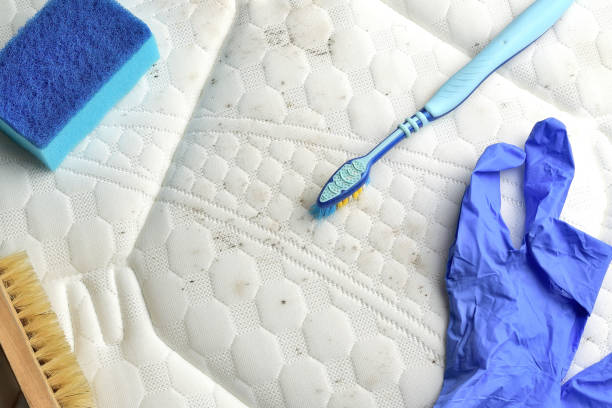
Discovering mold in your mattress can be alarming, but there are steps you can take to address the issue and restore your sleep sanctuary. Here’s what to do if you find mold in your mattress:
Assess the Situation
First things first, take a deep breath. It’s important not to panic. Carefully inspect your mattress to determine the extent of the mold growth. Is it just a small spot on the surface, or has it spread throughout the mattress? Assessing the situation will help you decide on the best course of action.
Cleaning
If the mold is confined to a small area on the surface of the mattress, you may be able to clean it yourself. Mix water and rubbing alcohol in a spray bottle and lightly mist the affected area. Gently scrub the mold with a soft brush or sponge, then wipe away any excess moisture with a clean cloth. Allow the mattress to air dry thoroughly before covering it with bedding.
Deep Cleaning
For more stubborn mold or if the mold has penetrated deeper into the mattress, you may need to take more aggressive measures. Consider hiring a professional mattress cleaning service to deep clean and sanitize your mattress. They have specialized equipment and techniques to effectively remove mold and allergens, restoring your mattress to its former glory.
Replacement
In some cases, cleaning may not be enough to rid your mattress of mold completely. Mold can penetrate deep into the mattress layers, making it difficult to eradicate entirely. If you’re unable to eliminate the mold or if the mold has caused significant damage to the mattress, replacement may be the safest option. While it may be a financial investment, replacing your moldy mattress ensures a clean and healthy sleep environment.
Preventive Measures
Once you’ve addressed the mold issue, take steps to prevent it from recurring. Use a waterproof mattress protector to shield your new mattress from moisture and spills. Regularly clean and vacuum your mattress to remove dust, dirt, and allergens. Ensure proper ventilation in your bedroom to prevent humidity buildup. By taking proactive measures, you can keep your mattress mold-free for years to come.
Discovering mold in your mattress can be unsettling, but it’s important to take action promptly to protect your health and well-being. Whether you opt for cleaning or replacement, addressing mold promptly is crucial. With the right approach, you can restore your mattress and create a clean and comfortable sleep environment for yourself. Don’t let mold rob you of a good night’s sleep—take control of the situation and reclaim your mattress!
Discovering mold in your mattress can be alarming, but with the right approach, you can reclaim your sleep sanctuary. From understanding how mold sneaks into your mattress to taking proactive measures to prevent its return, you hold the power to keep your mattress clean and mold-free. By assessing the situation, taking appropriate action, and implementing preventive measures, you can ensure that your mattress remains a source of comfort and relaxation, not a breeding ground for mold. Don’t let mold steal your sleep—defend it with vigilance and care.