


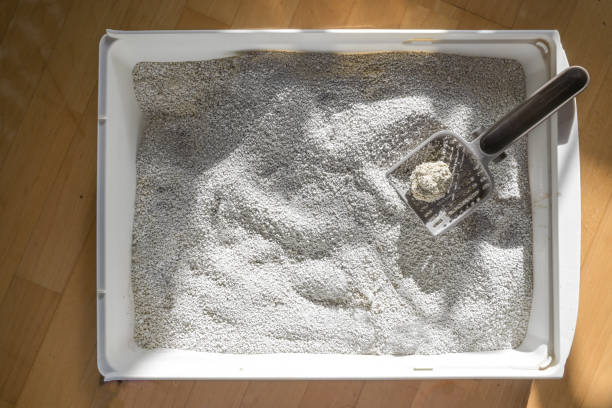
Keeping your cat’s litter box clean is essential for your cat’s health and happiness. A clean litter box means a happy cat, and a happy cat means a happy home. In this guide, we’ll walk you through the best ways to keep your cat’s litter box spotless and odor-free.
Why Cleaning the Litter Box is Important
Contents
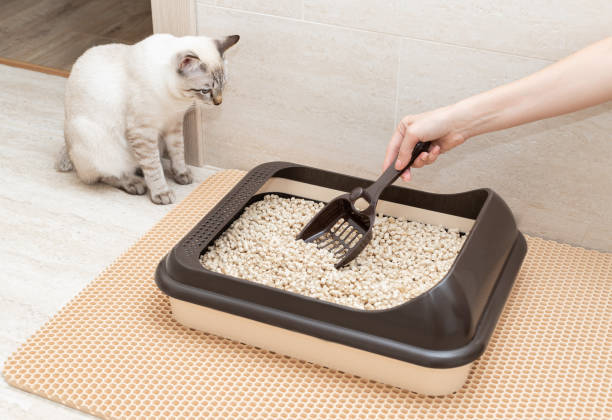
Keeping your cat’s litter box clean is crucial for several reasons. Let’s explore some of the main benefits of maintaining a clean litter box:
- Health Issues: A dirty litter box can harbor bacteria and parasites, which can make your cat sick. When the litter box is not cleaned regularly, harmful germs such as E. coli and salmonella can thrive in the waste. These pathogens can cause infections and diseases in your cat, leading to symptoms like diarrhea, vomiting, and lethargy. Regular cleaning of the litter box helps eliminate these risks, ensuring your cat stays healthy and free from illness.
- Behavioral Problems: Cats are naturally clean animals and may refuse to use a dirty litter box. If the litter box is too dirty, your cat might start avoiding it and find other places in your home, like your carpet, bed, or laundry, to do their business. This can create a lot of mess and frustration for you as a pet owner. By keeping the litter box clean, you provide a comfortable and acceptable place for your cat to relieve itself, preventing inappropriate behavior.
- Odor Control: A clean litter box helps keep your home smelling fresh. A dirty litter box can produce strong, unpleasant odors that can spread throughout your home. Regularly cleaning the litter box and using fresh litter helps control these odors and keeps your living space pleasant for both you and your cat.
- Preventing Litter Box Aversion: If your cat finds the litter box too dirty, they might develop litter box aversion, where they associate the litter box with discomfort or bad smells. This can be a hard habit to break. By keeping the litter box clean, you prevent this issue from developing.
- Promoting Good Hygiene: A clean litter box encourages your cat to maintain good hygiene. Cats are naturally clean creatures, and a tidy litter box supports their natural grooming habits. This contributes to their overall well-being and happiness.
- Detecting Health Problems Early: When you clean the litter box regularly, you can notice any changes in your cat’s waste, which can be an early sign of health issues. Unusual stool or urine can indicate that something is wrong with your cat, and you can catch these signs early by frequently cleaning the litter box.
By understanding the importance of a clean litter box, you can ensure your cat stays healthy, happy, and comfortable in your home. Regular cleaning of the litter box is a simple task that makes a big difference in your cat’s life.
How Often Should You Clean the Litter Box?
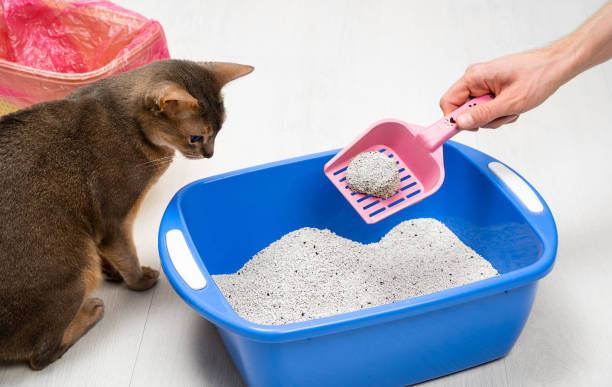
It’s crucial to clean your cat’s litter box regularly to ensure a clean and comfortable environment for your feline friend. Here’s a simple schedule to follow:
Daily Cleaning: Scoop Out Solid Waste and Clumps
Each day, take a few moments to scoop out any solid waste and clumps from the litter box. This simple task not only keeps the litter box fresh but also prevents odors from building up. By removing the waste daily, you create a more pleasant experience for your cat every time they use the litter box.
Weekly Maintenance: Empty, Wash, and Refill
Once a week, it’s time for a more thorough cleaning session. Start by emptying the entire contents of the litter box into a trash bag. Then, wash the litter box with soap and water to remove any remaining residue and bacteria. Be sure to scrub the sides and bottom of the litter box thoroughly. After rinsing, allow the litter box to dry completely before refilling it with fresh litter. This weekly cleaning routine helps eliminate any lingering smells and keeps the litter box hygienic for your cat.
Monthly Deep Clean: Disinfect and Refresh
On a monthly basis, it’s essential to perform a deep clean of the litter box to maintain its cleanliness and hygiene. Prepare a mild bleach solution by mixing one part bleach with nine parts water. Use this solution to thoroughly disinfect the litter box, killing any bacteria or germs that may have accumulated over time. After disinfecting, rinse the litter box thoroughly with water and allow it to dry completely before adding fresh litter. This monthly deep clean ensures that your cat’s litter box remains a safe and sanitary place for them to do their business.
Additional Tips for Litter Box Maintenance
- Monitor Litter Level: Keep an eye on the level of litter in the box and top it up as needed to ensure your cat always has enough litter to cover their waste.
- Replace Litter Regularly: Completely replace the litter in the box every few weeks, even if it appears clean. This helps maintain freshness and cleanliness.
- Check for Wear and Tear: Periodically inspect the litter box for any signs of wear and tear, such as cracks or scratches. Replace the box if necessary to ensure your cat’s comfort and safety.
By following this simple schedule and implementing these additional tips, you can ensure that your cat’s litter box remains clean, fresh, and inviting for your beloved pet. A clean litter box not only benefits your cat’s health and well-being but also contributes to a happier and more harmonious home environment.
Step-by-Step Guide to Cleaning the Litter Box
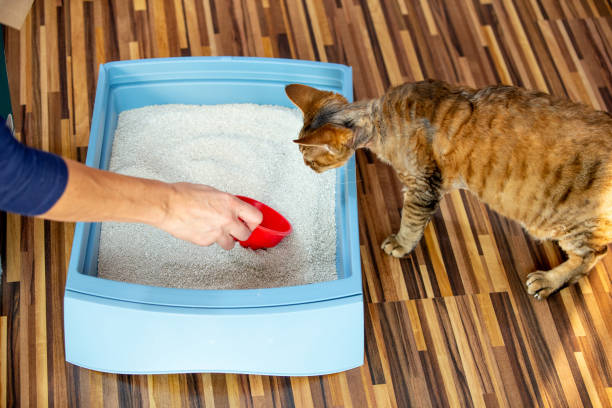
It’s crucial to clean your cat’s litter box regularly to ensure a clean and comfortable environment for your feline friend. Here’s a simple schedule to follow:
Daily Cleaning: Scoop Out Solid Waste and Clumps
Each day, take a few moments to scoop out any solid waste and clumps from the litter box. This simple task not only keeps the litter box fresh but also prevents odors from building up. By removing the waste daily, you create a more pleasant experience for your cat every time they use the litter box.
Weekly Maintenance: Empty, Wash, and Refill
Once a week, it’s time for a more thorough cleaning session. Start by emptying the entire contents of the litter box into a trash bag. Then, wash the litter box with soap and water to remove any remaining residue and bacteria. Be sure to scrub the sides and bottom of the litter box thoroughly. After rinsing, allow the litter box to dry completely before refilling it with fresh litter. This weekly cleaning routine helps eliminate any lingering smells and keeps the litter box hygienic for your cat.
Monthly Deep Clean: Disinfect and Refresh
On a monthly basis, it’s essential to perform a deep clean of the litter box to maintain its cleanliness and hygiene. Prepare a mild bleach solution by mixing one part bleach with nine parts water. Use this solution to thoroughly disinfect the litter box, killing any bacteria or germs that may have accumulated over time. After disinfecting, rinse the litter box thoroughly with water and allow it to dry completely before adding fresh litter. This monthly deep clean ensures that your cat’s litter box remains a safe and sanitary place for them to do their business.
Additional Tips for Litter Box Maintenance
- Monitor Litter Level: Keep an eye on the level of litter in the box and top it up as needed to ensure your cat always has enough litter to cover their waste.
- Replace Litter Regularly: Completely replace the litter in the box every few weeks, even if it appears clean. This helps maintain freshness and cleanliness.
- Check for Wear and Tear: Periodically inspect the litter box for any signs of wear and tear, such as cracks or scratches. Replace the box if necessary to ensure your cat’s comfort and safety.
By following this simple schedule and implementing these additional tips, you can ensure that your cat’s litter box remains clean, fresh, and inviting for your beloved pet. A clean litter box not only benefits your cat’s health and well-being but also contributes to a happier and more harmonious home environment.
Choosing the Right Litter
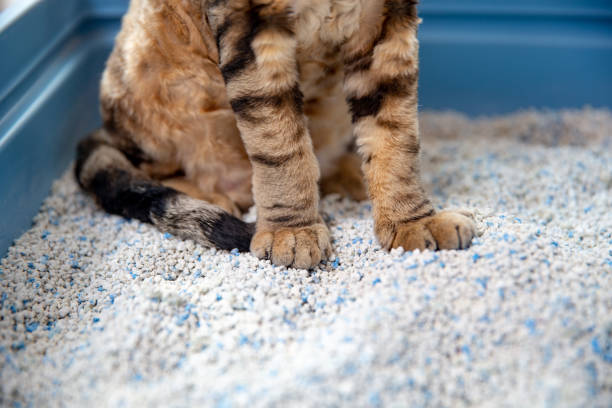
Selecting the right litter can make a big difference in keeping the litter box clean and pleasant for both you and your cat. There are several types of cat litter to choose from, each with its own advantages and considerations:
Clumping Litter
Clumping litter is a popular choice for many cat owners. This type of litter forms solid clumps when your cat urinates, making it easy to scoop out waste and keep the litter box clean. Clumping litter helps control odors effectively by trapping the waste in the clumps, preventing smells from spreading. This type of litter also lasts longer since you only need to remove the clumps, not the entire contents of the litter box.
Non-Clumping Litter
Non-clumping litter absorbs urine but does not form clumps. While it is usually less expensive than clumping litter, it needs to be changed more frequently to maintain a clean litter box. Non-clumping litter can still control odors to some extent, but because it doesn’t form clumps, the urine can spread throughout the litter box, making it necessary to replace the entire contents more often.
Silica Gel Litter
Silica gel litter is excellent at controlling odors and lasts longer between changes. This type of litter consists of small, absorbent crystals that trap moisture and neutralize smells. Silica gel litter can absorb a large amount of liquid, so you don’t have to change the litter box as frequently. It is also virtually dust-free, which helps reduce the mess around the litter box and is better for your cat’s respiratory health.
Natural Litter
Natural litter is made from materials like corn, wheat, or recycled paper, making it an eco-friendly option. This type of litter is biodegradable and often has a lower environmental impact compared to traditional clay litters. However, natural litter may need more frequent changing because it doesn’t always control odors as well as other types. Despite this, many cat owners prefer natural litter because it is gentler on their cat’s paws and better for the planet.
Additional Tips for Choosing the Right Litter
- Consider Your Cat’s Preferences: Some cats have specific preferences for certain types of litter. If your cat refuses to use the litter box, it might be worth trying a different type of litter.
- Dust Level: Look for low-dust or dust-free litter options to keep the area around the litter box cleaner and reduce respiratory issues for both you and your cat.
- Scented vs. Unscented: Scented litters can help mask odors, but some cats prefer unscented litter. If your cat seems reluctant to use the litter box, try switching to an unscented variety.
- Cost and Availability: Consider the cost and how easily you can find the litter in stores. Some specialized litters might be more expensive or harder to find.
Choosing the right litter for your cat’s litter box is an important decision that can affect both your cat’s comfort and the cleanliness of your home. By understanding the different types of litter and their benefits, you can make an informed choice that keeps your cat happy and your litter box clean.
Tips for Keeping the Litter Box Clean
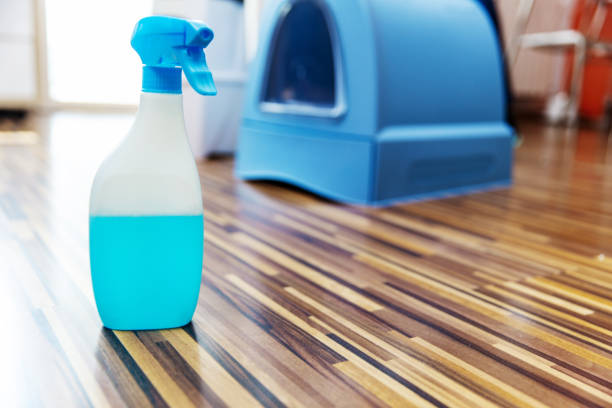
Maintaining a clean litter box is essential for your cat’s health and happiness. Here are some helpful tips to keep the litter box in top shape:
Use Liners
Litter box liners can make cleaning much easier by preventing waste from sticking to the box. Simply place a liner inside the litter box before adding the litter. When it’s time to clean, you can lift the liner out, along with all the waste and litter. This reduces the need to scrub the litter box and makes the cleaning process quicker and more convenient.
Add Baking Soda
Sprinkling a bit of baking soda in the litter can help control odors. Baking soda is a natural deodorizer that can neutralize smells without adding any harsh chemicals. Just mix a small amount into the litter each time you change it. This will help keep the litter box smelling fresh and pleasant for both you and your cat.
Multiple Litter Boxes
If you have more than one cat, it’s important to provide multiple litter boxes. A good rule of thumb is to have one litter box per cat, plus one extra. This ensures that each cat has clean options and reduces the risk of territorial disputes. Multiple litter boxes can also help prevent one box from becoming too dirty too quickly, making it easier to maintain cleanliness.
Scoop Frequently
To keep the litter box clean, scoop out solid waste and clumps at least once a day. This not only keeps the litter box fresh but also helps prevent odors from building up. Daily scooping ensures that your cat always has a clean place to do their business, encouraging them to use the litter box consistently.
Regular Deep Cleaning
In addition to daily scooping, make sure to do a thorough cleaning of the litter box on a regular basis. Empty the litter completely, wash the box with soap and water, and let it dry before adding fresh litter. Doing this weekly or bi-weekly helps remove any lingering bacteria and keeps the litter box hygienic.
Choose the Right Location
Place the litter box in a quiet, low-traffic area where your cat can have some privacy. Avoid placing the litter box near noisy appliances or in busy areas of your home. A calm and quiet location will encourage your cat to use the litter box regularly.
Monitor Litter Level
Keep an eye on the level of litter in the box and top it up as needed. Ensuring there is always enough litter for your cat to cover their waste is crucial. Too little litter can make it difficult for your cat to bury their waste, while too much can cause litter to scatter outside the box.
Use High-Sided or Covered Litter Boxes
Consider using a high-sided or covered litter box to help contain the litter and prevent it from scattering around the area. High-sided boxes are particularly useful for cats that tend to kick litter out of the box. Covered boxes can also help control odors, but make sure your cat is comfortable using them.
By following these tips, you can keep your cat’s litter box clean, fresh, and inviting. A clean litter box not only benefits your cat’s health and well-being but also contributes to a more pleasant living environment for you. Regular maintenance and thoughtful choices make a big difference in managing your cat’s litter box effectively
Conclusion
Keeping your cat’s litter box clean doesn’t have to be a daunting task. With a little daily effort and regular deep cleans, you can ensure that your cat’s litter box stays fresh and hygienic. Remember, a clean litter box means a happy, healthy cat!