


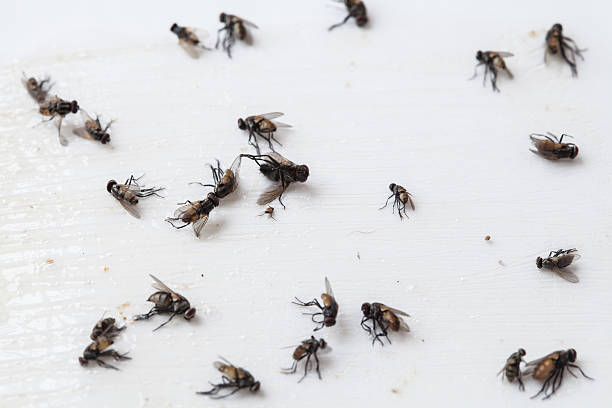
Meet the Tiny Troublemakers: Exploring the World of Small Flies
Contents
- 1 Meet the Tiny Troublemakers: Exploring the World of Small Flies
- 2 Cracking the Case: Finding Where Those Pesky Flies Are Coming From
- 3 Fly-Free Zone: Keeping Those Tiny Flyers at Bay
- 4 Going Au Naturel: Bye-Bye Flies, Hello Natural Remedies!
- 5 Chemical Warfare: Battling Flies with Insecticides
- 6 Smart Solutions: Integrated Pest Management for Flies
- 7 Avoid These Fly Fumbles: Common Mistakes in Fly Control
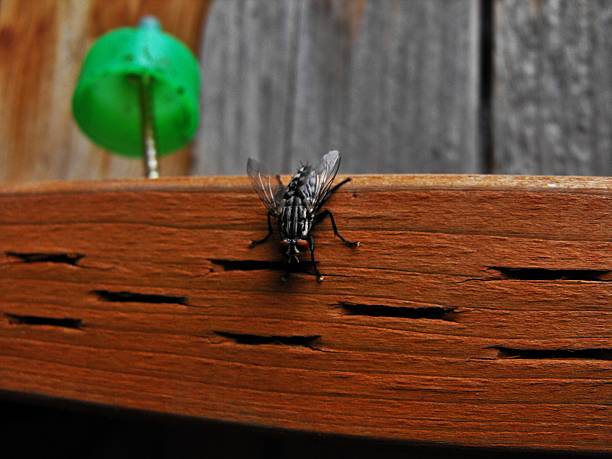
Have you ever found yourself swatting at those pesky little creatures buzzing around your kitchen or bathroom? You’re not alone! In our everyday lives, small flies can become quite the nuisance, infiltrating our living spaces and causing frustration. But fear not, for understanding these tiny troublemakers and knowing how to deal with them effectively can bring relief and restore peace to our homes.
In this comprehensive guide, we’ll delve into the world of small flies, exploring their habits, preferred habitats, and the potential health risks they pose. From fruit-loving fruit flies to drain-dwelling drain flies, each type has its own unique characteristics and challenges. But armed with knowledge and a few simple strategies, we can take proactive steps to keep our homes fly-free and our sanity intact. So, let’s roll up our sleeves and embark on a journey to rid our spaces of those pesky intruders once and for all!
Fruit Flies: The Sweet Tooth Squad
First up, we have the fruit flies, also known as vinegar flies. These little flyers are attracted to ripe and fermenting fruits, hence their name. They’re like tiny connoisseurs, always on the lookout for their next sugary fix. You might spot them hovering around your fruit bowl or near your garbage bin, searching for their favorite snacks.
Drain Flies: Masters of the Underworld
Next on our list are the drain flies, often found lurking in the damp, dark depths of your drains. These winged wanderers lay their eggs in the organic matter that accumulates in your pipes, like a secret treasure trove for them. While they may not pose a direct health risk, their presence can be quite bothersome and unsanitary if left unchecked.
Fungus Gnats: Greenery Guardians
Last but not least, we have the fungus gnats, the tiny guardians of your houseplants. These delicate flyers are drawn to moist soil and decaying organic matter, making your beloved greenery their prime real estate. While they might seem harmless at first glance, their larvae can cause damage to plant roots if their numbers grow out of control.
The Buzz on Health Risks
Now, you might be wondering: are these tiny flies more than just a nuisance? Well, it turns out they can be! Fruit flies, for example, can carry bacteria and other pathogens from their feeding sites to your food, potentially leading to foodborne illnesses. Drain flies, on the other hand, thrive in unsanitary conditions and can indicate underlying plumbing issues that may need attention. And while fungus gnats may not directly harm humans, their larvae can wreak havoc on your precious houseplants.
So, there you have it, a brief glimpse into the world of small flies that share our living spaces. From fruit-loving flyers to drain-dwelling daredevils, each type has its own habits, preferred hangouts, and potential risks. By understanding these tiny troublemakers better, we can take steps to keep our homes fly-free and our sanity intact!
Cracking the Case: Finding Where Those Pesky Flies Are Coming From
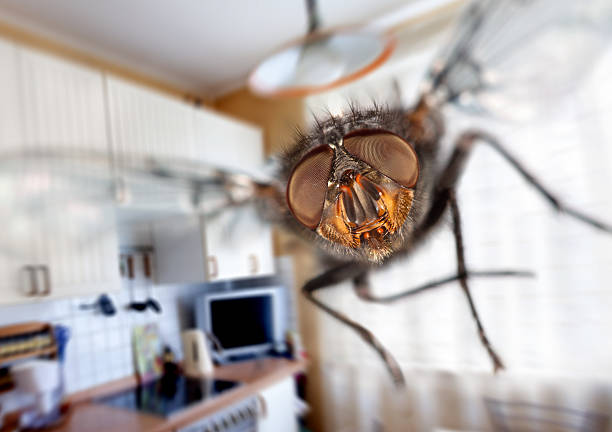
So, you’ve got a swarm of tiny flyers buzzing around your space, and you’re determined to uncover their secret hideout. Fear not, intrepid investigator! With a keen eye and a bit of detective work, you’ll soon crack the case and send those pesky flies packing.
Scoping Out the Scene: Where Do Flies Love to Hang Out?
First things first, let’s think like a fly. These little critters have a knack for sniffing out certain hotspots where they can lay their eggs and raise their offspring. Common hangouts include:
- Drains: Flies love to cozy up in damp, gunky drains where they can find plenty of organic matter to feast on.
- Garbage Bins: Rotting food scraps are like a five-star buffet for flies, drawing them in from far and wide.
- Overripe Fruits: Ripe fruits might be a tasty treat for us, but for flies, they’re a breeding ground paradise.
- Houseplants: Moist soil and decaying plant matter provide the perfect conditions for certain types of flies to thrive.
Playing the Detective: How to Spot the Culprits
Now that we know where flies like to hang out, it’s time to identify our suspects. Different types of flies have distinct appearances and behaviors, which can give us valuable clues. Here’s what to look out for:
- Fruit Flies: These tiny flyers are usually tan or brownish in color and have distinctive red eyes. You’ll often find them hovering around fruits or fermenting liquids.
- Drain Flies: With their fuzzy bodies and wings that form a roof-like shape when at rest, drain flies are easy to spot around drains and other moist areas.
- Fungus Gnats: These delicate flyers are small and black, with long, slender bodies and long legs. Keep an eye on your houseplants for signs of their presence.
Armed with this newfound knowledge, you’re well-equipped to tackle the mystery of the small fly infestation. By inspecting common breeding areas and learning to recognize the different types of flies, you’ll be one step closer to solving the case and reclaiming your space from those pesky intruders.
Fly-Free Zone: Keeping Those Tiny Flyers at Bay
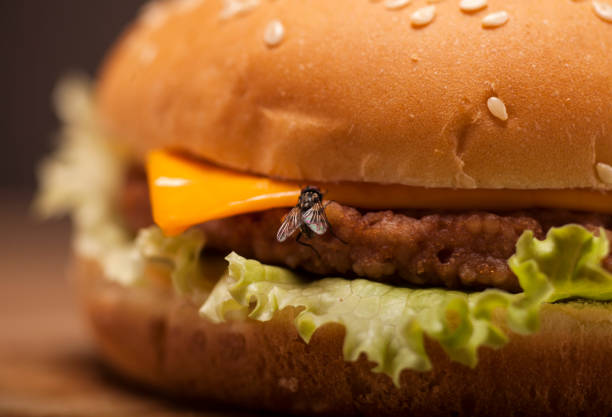
So, you’ve had enough of those tiny flying nuisances invading your space, huh? Well, fear not! With a few easy tricks up your sleeve, you can create a fly-free fortress and reclaim your territory once and for all.
Clean Like a Champion: Drains, Drains, Drains!
Listen up, folks, because here’s the dirty truth: flies love nothing more than a dirty drain. Yep, you heard me right! That slimy, gunky mess lurking in your drains is like a five-star hotel for those pesky critters. So, roll up your sleeves and get scrubbing! Regularly cleaning your drains with a mixture of hot water and vinegar will send those flies packing faster than you can say “clean freak.”
Contain Those Goodies: Airtight All the Way
Now, let’s talk food storage. You see, flies have a nose for trouble, and by trouble, I mean anything remotely edible. So, if you want to keep those snacks all to yourself (and who wouldn’t?), invest in some airtight containers. That way, you can enjoy your goodies in peace, without having to share them with unwanted guests.
Trash Talk: Dispose of Garbage Like a Pro
Ah, the humble garbage bin. It’s like a treasure trove for flies, filled with all sorts of delicious delights just waiting to be discovered. But here’s the thing: flies aren’t invited to the party! So, make sure you dispose of your garbage properly, sealing it up tight and taking it out regularly. Trust me, your nostrils (and your sanity) will thank you for it.
Hygiene Heroes: Keep It Clean, Keep It Fresh
Last but not least, let’s talk hygiene. Flies thrive in filth, so if you want to keep them at bay, you’ve got to keep things squeaky clean. That means wiping down surfaces regularly, cleaning up spills pronto, and keeping your kitchen and bathroom spick and span. Remember, a clean home is a fly-free home!
And there you have it, folks: your ticket to a fly-free paradise. By following these simple yet effective preventive measures, you can bid those pesky flyers adieu and enjoy a space that’s clean, fresh, and entirely yours. So, what are you waiting for? Get out there and show those flies who’s boss!
Going Au Naturel: Bye-Bye Flies, Hello Natural Remedies!

So, you’ve got a swarm of tiny flyers making themselves at home in your space, and you’re not exactly thrilled about it. Well, fear not, my fly-fighting friend, because Mother Nature has your back! With a few simple ingredients and a sprinkle of know-how, you can send those pesky critters packing in no time.
Vinegar Vortex: The Homemade Trap That Packs a Punch
First up, we have the classic vinegar trap. Flies are suckers for anything sweet and sour, so this homemade concoction is like a magnet for them. Simply fill a bowl with apple cider vinegar and add a drop of dish soap to break the surface tension. The flies will be drawn to the vinegar, but the soap will trap them, leaving you with a bowl full of fly soup. Gross, but effective!
Essential Oils: Aromatic Assassins That Smell Sweet
Next on our list are essential oils, those tiny bottles of botanical goodness that pack a powerful punch. Flies might love the smell of garbage, but they can’t stand the scent of certain essential oils, like peppermint, eucalyptus, or lavender. Simply mix a few drops of your chosen oil with water and spritz it around your home to create a natural fly repellent that smells as sweet as victory.
Nature’s Ninjas: Predatory Nematodes and Beneficial Bacteria
Last but not least, let’s talk about nature’s own pest control agents: predatory nematodes and beneficial bacteria. These microscopic marvels are like tiny ninjas, stealthily hunting down fly larvae and devouring them from the inside out. Simply introduce them into your soil or drains, and let them work their magic without any harmful chemicals or pesticides.
Potential Drawbacks: Nature’s Not Always Perfect
Now, before you go sprinkling essential oils and releasing nematodes willy-nilly, it’s important to remember that even natural remedies have their limitations. Homemade traps can be effective, but they might not eradicate the entire fly population. Essential oils can be potent, but they may need to be reapplied regularly to maintain their effectiveness. And while predatory nematodes and beneficial bacteria are great for controlling larvae, they might not be suitable for all environments.
So, there you have it, folks: a crash course in natural fly-fighting tactics that’ll have those pesky critters running for the hills. Whether you’re setting up vinegar traps, spritzing essential oils, or enlisting the help of nature’s own pest control agents, there’s no shortage of ways to show those flies who’s boss. So go ahead, embrace your inner nature lover, and bid those bothersome flies adieu once and for all!
Chemical Warfare: Battling Flies with Insecticides
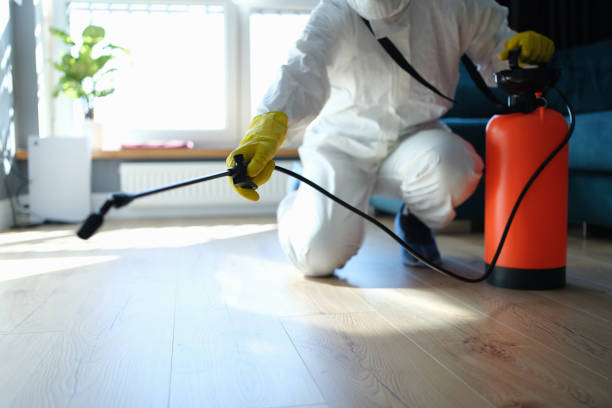
So, you’ve tried the vinegar traps and essential oils, but those pesky flies just won’t take the hint. Sometimes, you need to bring out the big guns, and that’s where chemical insecticides come into play. But before you start spraying willy-nilly, it’s important to understand what you’re dealing with and how to use these chemicals safely and effectively.
Know Your Enemy: Understanding Chemical Insecticides
Chemical insecticides are powerful substances designed to kill or repel insects, including flies. They come in various forms, including sprays, baits, and foggers, each with its own unique set of active ingredients. These ingredients target the nervous system or other vital functions of flies, ultimately leading to their demise.
Application Methods: How to Take Down Those Pesky Flyers
When it comes to applying chemical insecticides, precision is key. Different products have different application methods, so be sure to read the label carefully before getting started. Sprays are great for targeting individual flies or treating specific areas where flies like to hang out, while baits can lure flies in and deliver a lethal dose.
Safety First: Using Caution When Dealing with Chemicals
Now, here’s the important part: safety. Chemical insecticides can be effective, but they can also pose risks to humans, pets, and the environment if not used correctly. Always follow the label instructions to the letter, and never exceed the recommended dosage or frequency of application. When applying pesticides indoors, take extra precautions to minimize exposure, such as ventilating the area and wearing protective gear.
Chemical insecticides can be a powerful tool in your arsenal against flies, but they’re not to be taken lightly. By understanding the active ingredients, application methods, and safety considerations, you can effectively target those pesky flyers while minimizing risks to yourself and others. So go ahead, arm yourself with knowledge, and wage war on flies with confidence!
Smart Solutions: Integrated Pest Management for Flies

So, you’re tired of those persistent flies buzzing around your space, huh? Well, it’s time to introduce you to a game-changing approach: Integrated Pest Management, or IPM for short. Think of it as your secret weapon in the war against flies, combining science, strategy, and a touch of creativity to keep those pesky critters at bay.
What’s IPM, anyway?
First things first, let’s break it down: Integrated Pest Management is a holistic approach to pest control that focuses on long-term prevention and sustainable solutions. Instead of relying solely on chemicals or traps, IPM harnesses the power of knowledge and innovation to tackle pest problems at their source.
Monitoring: Keeping Tabs on Those Pesky Flyers
The first step in any IPM program is monitoring, and flies are no exception. By keeping a close eye on fly populations and their behaviors, you can identify hotspots and potential breeding grounds before they spiral out of control. This might involve setting up traps, conducting regular inspections, or simply keeping a fly journal (yes, that’s a thing!).
Prevention: Putting Up Roadblocks for Flies
Next up, let’s talk prevention. IPM is all about stopping flies in their tracks before they have a chance to become a problem. This means implementing good sanitation practices, like keeping drains clean and food stored properly, to deny flies the resources they need to thrive. It might also involve making simple modifications to your environment, like sealing up cracks and crevices or installing screens on windows and doors.
Intervention: When All Else Fails
Despite your best efforts, flies might still find a way to sneak into your space from time to time. That’s where intervention comes in. Instead of reaching straight for the chemical spray, consider non-chemical control methods like fly swatters, vacuuming, or even introducing natural predators like spiders or parasitic wasps. Sometimes, a hands-on approach is all it takes to show those pesky flies who’s boss.
And there you have it, folks: the magic of Integrated Pest Management in the battle against flies. By combining monitoring, prevention, and intervention strategies, you can keep those pesky critters at bay without relying on harmful chemicals or traps. So go ahead, embrace the power of IPM, and reclaim your space from those persistent flyers once and for all!
Avoid These Fly Fumbles: Common Mistakes in Fly Control
So, you’re on a mission to tackle those pesky flies buzzing around your space, but before you jump in, watch out for these common mistakes that can actually make your fly problem worse. Here’s what to avoid:
Ignoring Spills and Messes
Leaving spilled food or liquids unattended is like sending out a dinner invitation to flies. They’ll flock to the mess faster than you can say “cleanup on aisle five.” Neglecting to clean up spills promptly is a surefire way to attract more flies and make your fly problem even worse.
Misusing Pesticides
Using pesticides incorrectly can do more harm than good when it comes to controlling flies. Spraying pesticides indiscriminately or overusing them can lead to environmental contamination and even resistance in fly populations. Plus, it’s not great for your health or the health of your pets.
Leaving Doors and Windows Open
Leaving doors and windows open might let in a nice breeze, but it also invites flies to come in and make themselves at home. Flies are expert navigators and can easily find their way indoors through even the smallest openings. So, keep those doors and windows shut tight to prevent flies from sneaking in.
Neglecting to Empty Trash Bins Regularly
Trash bins are like magnets for flies, especially when they’re filled with decaying food scraps and other organic matter. Neglecting to empty your trash bins regularly gives flies a constant source of food and breeding grounds right in your home. Make it a habit to empty your trash bins frequently to keep flies at bay.
Allowing Standing Water to Accumulate
Flies are drawn to standing water like moths to a flame. Whether it’s a puddle in your backyard or a forgotten bowl of water under a plant, any stagnant water can become a breeding ground for flies. Be sure to eliminate any sources of standing water around your home to prevent flies from multiplying.
Overwatering Houseplants
While you might have a green thumb, overwatering your houseplants can create the perfect environment for fungus gnats, a common type of small fly. These pesky insects thrive in moist soil, so be sure to water your houseplants sparingly and allow the soil to dry out between waterings to deter fungus gnats.
Neglecting to Seal Cracks and Gaps
Flies are masters of infiltration, squeezing through even the tiniest cracks and gaps in your home’s exterior. Neglecting to seal these entry points provides flies with easy access to your living space, making it harder to keep them out. Take the time to inspect and seal any cracks or gaps around doors, windows, and walls to prevent flies from finding their way indoors.
Leaving Food Exposed
Leaving food exposed on countertops or dining tables is like setting up a buffet for flies. They’ll happily feast on any uncovered food, laying eggs and multiplying in the process. To avoid attracting flies, always store food in sealed containers or in the refrigerator, and clean up spills and crumbs promptly.
Ignoring Pet Waste
Pet waste, whether it’s in the yard or indoors, can attract flies like nobody’s business. Flies are drawn to the scent of feces and urine, making pet waste a prime breeding ground. Be sure to clean up after your pets regularly, dispose of waste properly, and keep litter boxes clean to deter flies from congregating around your home.
Using Ineffective Traps
Not all fly traps are created equal, and using ineffective traps can be a waste of time and money. Some traps may attract flies but fail to capture or kill them efficiently. Before investing in fly traps, do your research and choose traps that are proven to be effective for the types of flies you’re dealing with.
By avoiding these additional mistakes, you can enhance your fly control efforts and achieve better long-term results. Remember to seal cracks and gaps, store food properly, clean up pet waste, and choose effective fly traps to keep flies at bay. With diligence and attention to detail, you can effectively manage fly infestations and maintain a fly-free environment in your home.
In conclusion, small flies may be tiny, but they can certainly pack a punch when it comes to causing annoyance and inconvenience in our homes. However, armed with the knowledge gained from exploring their world and the practical strategies discussed in this guide, we can reclaim our living spaces and enjoy a fly-free environment.
Whether it’s cleaning drains, sealing cracks, or deploying natural remedies, there are plenty of effective methods at our disposal to keep flies at bay. By being vigilant, proactive, and persistent in our efforts, we can successfully tackle fly infestations and create a space that is clean, fresh, and entirely ours. So, let’s bid farewell to those pesky flyers and usher in a new era of peace and tranquility in our homes. Fly-free living, here we come!”