


1. Understanding the Cause Bad Smelling Shoes
Contents
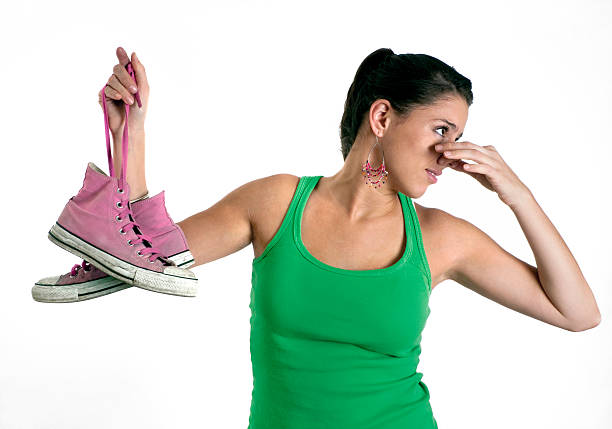
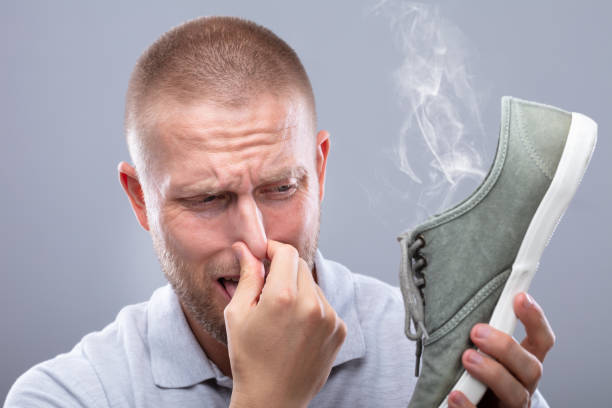
Bad-smelling shoes can be a nuisance, affecting not only your comfort but also your confidence. Understanding the root causes of bad odors emanating from footwear is the first step towards banishing them for good. From sweat to bacteria and moisture accumulation, these factors create a perfect storm inside your shoes, leading to unpleasant smells. However, armed with knowledge and a few simple strategies, you can effectively combat bad-smelling shoes and keep your footwear fresh and odor-free.
Bad-smelling shoes are quite a common problem, and they occur when your shoes start to emit unpleasant odors. This often happens due to a combination of factors, primarily sweat, bacteria, and moisture accumulation.
Let’s break it down:
1. Sweat: When you wear shoes, especially for extended periods or during physical activity, your feet naturally sweat. This sweat is mostly water, but it also contains small amounts of salts and waste products from your body. When this sweats seeps into your shoes, it creates a damp environment.
2. Bacteria: Now, bacteria are everywhere, including on your skin. When your feet sweat and the moisture builds up in your shoes, it provides the perfect breeding ground for bacteria. These microorganisms thrive in warm, damp environments. As they multiply, they start breaking down the sweat and dead skin cells that accumulate in your shoes. As a result of this breakdown process, they release gases, which are what we perceive as bad odors.
3. Moisture Accumulation: Moisture from sweat isn’t the only source contributing to the dampness in your shoes. Sometimes, environmental factors like rain or snow can also make your shoes wet. If your shoes don’t get a chance to dry properly, whether due to improper ventilation or because you wear them frequently, this moisture can linger and exacerbate the odor problem.
So, bad-smelling shoes essentially arise from this trifecta of sweat, bacteria, and moisture working together. The sweat provides a food source for bacteria, while the moisture creates an environment conducive to bacterial growth. As the bacteria break down the sweat and skin cells, they release smelly gases, resulting in that unpleasant odor emanating from your shoes.
2. Preventative Measures
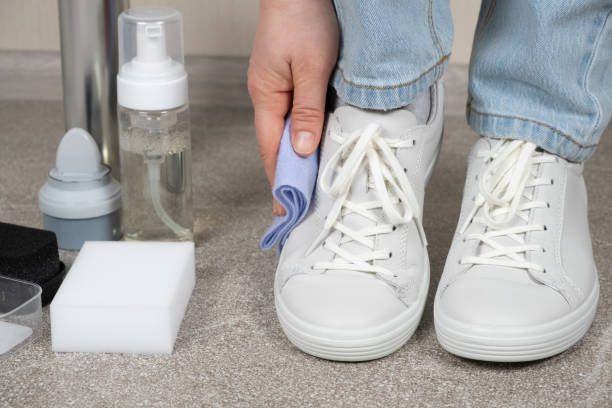
To avoid having bad-smelling shoes in the first place, there are some easy things you can do. Remember, it’s better to stop the stink before it starts!
1. Wear Moisture-Wicking Socks: Moisture-wicking socks are like superheroes for your feet! They’re made from special materials that pull sweat away from your skin and help it evaporate faster. By keeping your feet dry, these socks prevent the buildup of sweat in your shoes, which means less food for those stinky bacteria.
2. Rotate Your Shoes: Just like you need a break after a long day, your shoes do too! Rotating your shoes means you don’t wear the same pair every single day. This gives each pair time to air out and dry completely between wears. Remember, dry shoes are happy shoes, and happy shoes don’t smell bad!
3. Let Your Shoes Breathe: After you take off your shoes, give them some fresh air. Take out the insoles if you can and loosen the laces to allow air to circulate inside. If it’s a sunny day, let them bask in the sunlight for a while. Sunlight not only helps dry out any remaining moisture but also kills some of the bacteria lurking inside.
4. Keep ‘Em Clean: Regularly cleaning your shoes helps prevent odor buildup. Wipe down the insides with a damp cloth and mild soap to remove any sweat and dirt. And don’t forget to clean your feet too! Washing them daily and thoroughly drying them, especially between the toes, reduces the amount of sweat and bacteria that end up in your shoes.
By following these simple tips, you can keep bad-smelling shoes at bay and enjoy fresh-smelling footwear every day!
3. Materials and Tools Needed
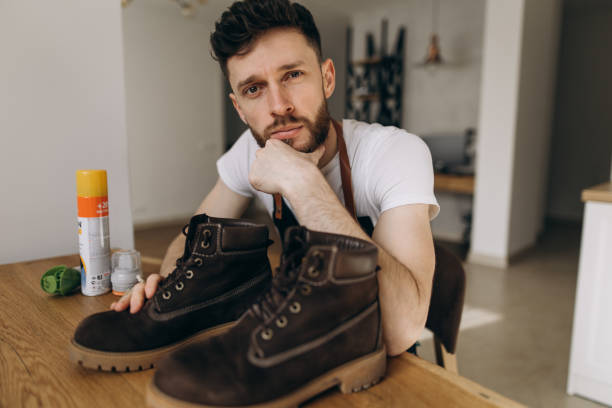
When it comes to banishing those bad-smelling shoes, having the right materials and tools on hand can make all the difference. Here’s what you’ll need:
1. Mild Detergent: This is like soap for your shoes! Look for a gentle detergent that won’t be too harsh on the materials of your shoes. It helps to break down sweat and grime that contribute to the bad smell.
2. Baking Soda: Baking soda is like a natural odor-eater. It absorbs funky smells, leaving your shoes smelling fresh. Just sprinkle some inside your shoes, let it sit for a while to work its magic, then shake it out.
3. Vinegar: Vinegar is another natural deodorizer and bacteria killer. Mix it with water to create a cleaning solution for wiping down the insides of your shoes. It helps to neutralize odors and kill any lingering bacteria.
4. Soft Brush: A soft-bristled brush is perfect for gently scrubbing away dirt and grime from the surface of your shoes. It’s important to use a soft bruhttps://iconicgroupaustralia.com.au/magic-of-vinegar-and-baking-soda/sh to avoid damaging delicate materials.
With these materials and tools at your disposal, you’ll be well-equipped to tackle those bad-smelling shoes and have them smelling fresh in no time!
4. Spot Cleaning
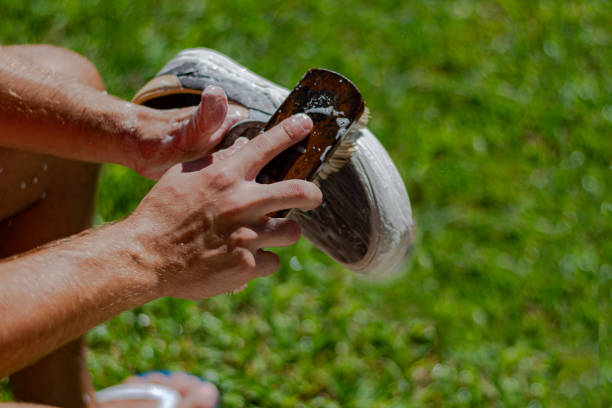
Spot cleaning is a quick and easy way to target those pesky areas of odor buildup in your bad-smelling shoes. Whether it’s the insoles or the outer fabric that’s causing the stink, here’s how you can tackle it:
1. Identify the Problem Areas: Take a sniff and pinpoint the areas of your shoes that smell the worst. Is it the insoles where your feet have been sweating? Or maybe it’s the outer fabric that’s accumulated dirt and grime. Knowing where the odor is coming from will help you target your spot cleaning efforts.
2. Remove the Insoles (if possible): If your shoes have removable insoles, take them out and set them aside. This will make it easier to clean both the insoles and the inside of your shoes.
3. Spot Clean the Insoles: For the insoles, start by giving them a good shake to remove any loose dirt or debris. Then, mix a solution of mild detergent and water in a bowl. Dip a soft cloth or brush into the solution and gently scrub the insoles. Pay extra attention to any areas where odor is concentrated. Once you’ve scrubbed them clean, rinse with water and let them air dry completely before putting them back in your shoes.
4. Spot Clean the Outer Fabric: For the outer fabric of your shoes, start by wiping away any surface dirt with a damp cloth. Then, mix a solution of mild detergent and water in a bowl. Dip a soft brush or cloth into the solution and gently scrub the fabric, focusing on areas with odor buildup. Be careful not to scrub too hard, especially if your shoes are made of delicate materials. Once you’ve cleaned the fabric, wipe away any excess detergent with a clean, damp cloth and let your shoes air dry completely.
By spot cleaning your bad-smelling shoes regularly, you can keep them looking and smelling fresh for longer. Plus, it’s a quick and easy way to give your shoes a little TLC between deeper cleanings.
5. Machine Washing
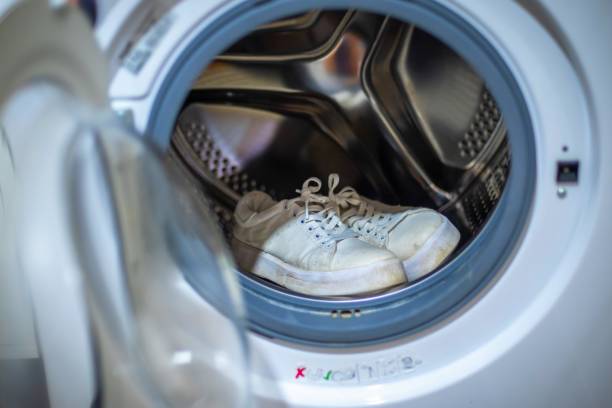
When it comes to tackling those bad-smelling shoes, throwing them in the washing machine can seem like an easy solution. But before you press start, it’s important to know which types of shoes can handle a spin cycle and which ones need a gentler touch.
First off, let’s talk about the types of shoes that are typically safe to machine wash. Sneakers, canvas shoes, and some types of athletic shoes are usually okay to toss in the washing machine. These shoes are often made of durable materials that can withstand the rigors of machine washing without getting damaged.
On the other hand, there are certain types of shoes that are better off being hand washed. Delicate shoes made of materials like leather, suede, or satin should be treated with more care. These materials can be damaged by the agitation of the washing machine or by exposure to water and detergents.
Now, if your shoes fall into the machine-washable category, here’s how to do it safely. Start by removing any excess dirt or debris from the shoes. Then, place them inside a mesh laundry bag to protect them during the wash cycle. Add a small amount of mild detergent to the washing machine, and select a gentle or delicate cycle with cold water. Avoid using bleach or harsh chemicals, as they can damage the shoes.
Once the wash cycle is complete, remove the shoes from the machine and let them air dry completely. Avoid putting them in the dryer, as the heat can warp or shrink certain materials. Instead, stuff them with paper towels or cloth to help them maintain their shape as they dry.
For shoes that need to be hand washed, the process is a bit different. Fill a basin or sink with lukewarm water and add a small amount of mild detergent. Gently scrub the shoes with a soft brush or cloth, paying extra attention to areas with odor buildup. Rinse them thoroughly with clean water, and then let them air dry completely away from direct heat or sunlight.
By following these guidelines, you can safely clean your bad-smelling shoes and have them looking and smelling fresh in no time. Just remember to always check the care instructions provided by the manufacturer before attempting to wash your shoes, and when in doubt, opt for hand washing to avoid damaging delicate materials.
6. Hand Washing
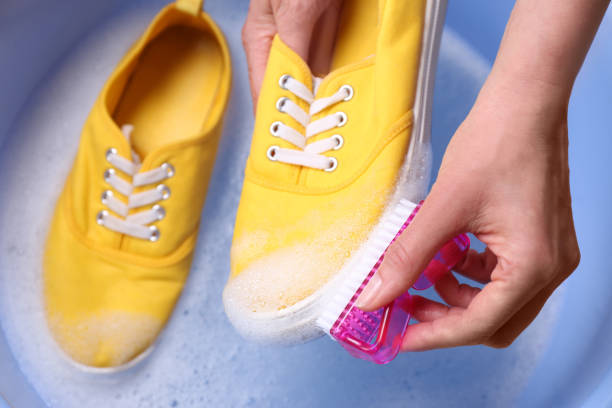
When faced with bad-smelling shoes that need a thorough clean, hand washing can be a gentle and effective solution. This method allows you to take care of your shoes without subjecting them to the potentially harsh conditions of a washing machine.
First and foremost, start by assessing the level of dirt and odor buildup on your shoes. Identify the areas that are particularly stinky and in need of attention. This will help you focus your efforts during the hand washing process.
Next, gather your materials. You’ll need a basin or sink filled with lukewarm water and a small amount of mild detergent. Avoid using harsh chemicals or bleach, as they can damage the materials of your shoes.
Now it’s time to get scrubbing. Dip a soft brush or cloth into the soapy water and gently scrub the exterior of your shoes. Pay close attention to any areas where dirt and odor are concentrated, using circular motions to lift away grime without being too rough on the material.
For stubborn stains or odors, you can create a paste using baking soda and water and apply it to the affected areas. Let it sit for a few minutes before scrubbing with your brush or cloth.
Once you’ve cleaned the exterior of your shoes, it’s time to tackle the insides. Remove any insoles or inserts and wash them separately using the same gentle scrubbing technique.
After cleaning, rinse your shoes thoroughly with clean water to remove any leftover soap residue. Then, gently squeeze out excess water and pat them dry with a clean towel. Avoid wringing or twisting your shoes, as this can misshape them.
Finally, it’s important to let your shoes air dry completely before wearing them again. Place them in a well-ventilated area away from direct heat or sunlight to avoid damaging the materials.
By following these steps for hand washing your bad-smelling shoes, you can effectively remove dirt and odor while preserving the quality and longevity of your footwear.
7. Sunlight and Fresh Air for bad smelling shoes
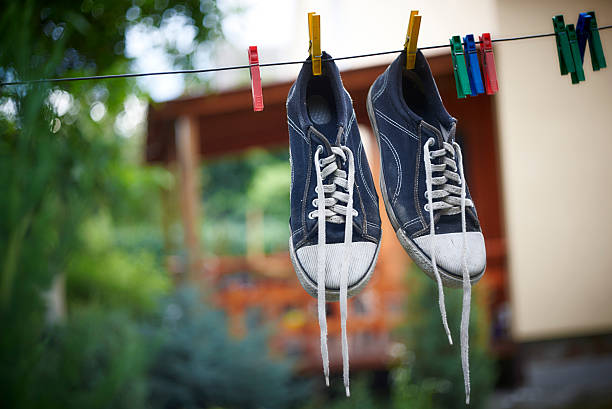
When it comes to dealing with bad-smelling shoes, harnessing the power of sunlight and fresh air can be a game-changer. This natural method not only helps to eliminate odors but also works to kill bacteria lurking in your footwear.
Firstly, sunlight serves as a natural deodorizer and disinfectant for bad-smelling shoes. When you expose your shoes to sunlight, the ultraviolet (UV) rays help to break down odor-causing bacteria, effectively neutralizing unpleasant smells. Additionally, the warmth of the sun helps to dry out any moisture trapped inside your shoes, which can further inhibit the growth of bacteria.
Furthermore, fresh air plays a crucial role in eliminating odors from bad-smelling shoes. When you allow your shoes to air out in an open, well-ventilated space, the circulating air helps to carry away stale odors and replace them with a fresher scent. This process also aids in drying out any remaining moisture, preventing the conditions that bacteria thrive in.
One of the key benefits of using sunlight and fresh air to tackle bad-smelling shoes is that it’s a natural and chemical-free solution. Unlike harsh cleaning products or deodorizing sprays, sunlight and fresh air offer a gentle yet effective way to combat odors without introducing potentially harmful chemicals into your shoes.
Additionally, airing out your shoes in sunlight and fresh air is a cost-effective and environmentally friendly approach to shoe maintenance. You don’t need to purchase any special equipment or products—all you need is access to sunlight and a well-ventilated area. Plus, you’re reducing your reliance on synthetic deodorizers and disinfectants, which can have negative impacts on the environment.
Harnessing the power of sunlight and fresh air is a simple yet effective way to naturally eliminate odors and kill bacteria in bad-smelling shoes. By incorporating this method into your shoe care routine, you can enjoy fresher, more comfortable footwear without the need for harsh chemicals or expensive products.
8. Proper Storage Tips for Bad Smelling Shoes
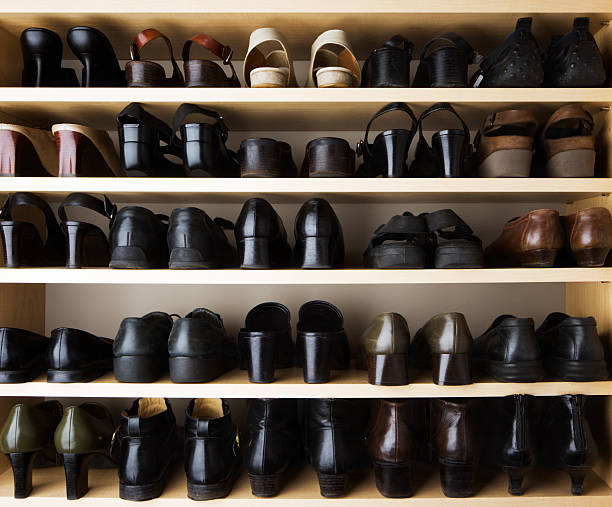
Proper shoe storage plays a crucial role in preventing the development of bad-smelling shoes. By taking a few simple steps, you can keep your footwear fresh and odor-free for longer periods.
Firstly, it’s important to store your shoes in a clean and dry environment. Moisture is a primary culprit behind bad-smelling shoes, as it creates the perfect breeding ground for odor-causing bacteria. Therefore, avoid storing your shoes in damp or humid areas, such as basements or bathrooms, where moisture levels are high.
One effective storage tip to prevent odors is to use breathable shoe bags or inserts. These accessories allow air to circulate around your shoes, helping to keep them dry and fresh. Breathable materials like cotton or mesh are ideal for shoe bags, as they allow moisture to escape while providing protection from dust and dirt.
Another helpful tip is to avoid storing your shoes in plastic containers or bags for extended periods. These non-breathable materials can trap moisture and create a humid environment inside the shoes, leading to odor buildup over time. Instead, opt for storage solutions that allow for ventilation, such as open shoe racks or shelves.
Additionally, it’s a good idea to clean your shoes before storing them. Remove any dirt, debris, or sweat residue from the surface of your shoes to prevent odor-causing bacteria from accumulating. This simple step can go a long way in maintaining the freshness of your footwear.
Furthermore, consider rotating your shoes regularly. Wearing the same pair of shoes every day can lead to excessive moisture buildup and increased risk of odors. By rotating your shoes and allowing them to air out between wears, you can help prevent bad smells from developing.
Proper shoe storage is essential for preventing the development of bad-smelling shoes. By following these tips, such as using breathable shoe bags or inserts and storing your shoes in a clean, dry environment, you can maintain the freshness of your footwear and enjoy odor-free shoes for longer periods.
Conclusion
In conclusion, bad-smelling shoes don’t have to be a permanent fixture in your life. By implementing preventative measures, spot cleaning techniques, and proper storage practices, you can banish bad odors and enjoy fresh-smelling footwear. Whether it’s wearing moisture-wicking socks, harnessing the power of sunlight and fresh air, or using gentle cleaning methods, there are plenty of solutions at your disposal. With a little care and attention, you can say goodbye to bad-smelling shoes and step out with confidence once again.