


1. Understanding the Source of Cat Smells
Contents
- 1 1. Understanding the Source of Cat Smells
- 2 2. Keeping Cat Smells at Bay: The Power of Regular Cleaning
- 3 3. Choosing Cat-Smell Busters: Finding the Right Cleaning Products
- 4 4. Zeroing in on Cat Smell Hotspots: Tackling Specific Problem Areas
- 5 5. Harnessing Nature’s Solutions: Natural Remedies for Cat Smells
- 6 6. Breathing Easy: Improving Air Quality to Combat Cat Smells
Cat smells – they’re the mysterious essence that can permeate our homes and leave us wondering how to banish them for good. Whether it’s the lingering scent of the litter box, the unmistakable odor of urine marking, or the subtle hint of dander in the air, cat smells have a way of making themselves known. But fear not, for understanding the sources of these odors is the first step in reclaiming your home from their clutches.
Join us on a journey to unravel the secrets behind cat smells and discover effective strategies for combating them. From regular cleaning routines to natural remedies and air purification techniques, we’ll explore how to banish cat smells and create a fresh, inviting space for you and your feline friends to enjoy.
Ever wondered why your home sometimes carries that distinct cat smell? Let’s embark on a journey to uncover the secrets behind these lingering odors. You see, those mysterious cat smells often have specific origins, and understanding them is the first step toward banishing them for good.
1. The Litter Box Dilemma
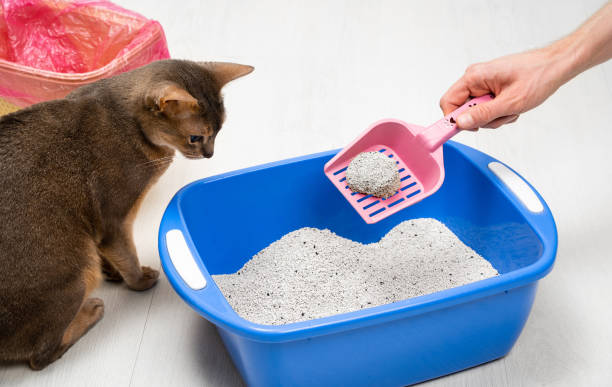
The litter box – a necessary part of life for cat owners, but also a common culprit behind those persistent cat smells. You see, when your feline friend does their business in the litter box, odors can linger, even with regular scooping. If the litter isn’t up to snuff or the box isn’t cleaned frequently enough, that cat smell can really start to permeate your home.
2. The Trouble with Urine Marking
Ever caught a whiff of that unmistakable ammonia-like scent of cat urine? If so, you’re likely dealing with urine marking. Cats, being the territorial creatures they are, may spray urine to mark their territory or express stress. Unfortunately, this behavior can leave behind a potent cat smell that seems to linger no matter what you do.
3. Dander Dilemmas
Now, let’s talk about dander – those tiny flecks of skin shed by our furry friends. While dander itself isn’t smelly, it has a knack for trapping odors, including that pesky cat smell. So, even if you’re diligent about keeping your home clean, dander could be conspiring to keep those cat odors hanging around.
By identifying these common sources of cat smells, you’re one step closer to reclaiming your home from unwanted odors. Armed with this knowledge, you can take proactive steps to tackle cat smells at their source, leaving your home smelling fresh and clean once more.
2. Keeping Cat Smells at Bay: The Power of Regular Cleaning
The secret weapon against those pesky cat smells: regular cleaning and maintenance. It’s the unsung hero in the battle against lingering odors, and understanding its importance is key to keeping your home smelling fresh and clean.
1. The Cat Smell Conundrum
Let’s face it – where there are cats, there’s bound to be some cat smell. Whether it’s from litter boxes, urine marking, or just the natural scent of our feline friends, these odors can quickly become unwelcome guests in our homes. But fear not! With a solid cleaning routine, you can keep those odors in check and prevent them from taking over your space.
2. The Importance of Cleanliness
Maintaining a clean environment is crucial when it comes to combating cat smells. Regular cleaning not only removes existing odors but also prevents them from building up over time. Cats are notorious for their cleanliness, and they appreciate a tidy environment just as much as we do. By keeping their living areas clean and fresh, you’ll create a more pleasant space for both you and your furry friends.
3. Establishing a Routine
One of the best ways to stay on top of cat smells is to establish a regular cleaning routine. Set aside time each day to tackle cat-related areas such as litter boxes, bedding, and furniture. Scoop the litter box daily to remove waste and replace litter as needed. Wash bedding regularly to remove any lingering odors and keep your cat’s sleeping area clean and inviting. Vacuum furniture to remove any trapped hairs or dander that could contribute to unpleasant smells. Consistency is key when it comes to keeping cat smells at bay, so make sure to stick to your cleaning schedule.
4. Using the Right Products
When it comes to cleaning up after cats, not all products are created equal. Choose cleaning products that are specifically formulated to tackle pet odors and stains. Look for enzymatic cleaners that break down organic matter, such as urine and feces, to effectively eliminate odors at the source. Avoid using harsh chemicals or strong-scented cleaners, as these can be irritating to your cat’s sensitive nose and may even discourage them from using their litter box.
5. Ventilation and Air Purification
Proper ventilation is another important factor in controlling cat smells in your home. Make sure to open windows regularly to allow fresh air to circulate and carry away any lingering odors. Consider using fans or air purifiers to help improve air quality and reduce indoor pollutants. Air purifiers with HEPA filters are especially effective at capturing airborne allergens, pet dander, and odors, leaving your home smelling clean and fresh.
By making regular cleaning and maintenance a priority, you can say goodbye to those lingering cat smells and hello to a fresh, clean home. With a little effort and dedication, you’ll be able to enjoy the company of your feline friends without worrying about unwanted odors. So, roll up your sleeves, grab your cleaning supplies, and get ready to banish those cat smells for good!
3. Choosing Cat-Smell Busters: Finding the Right Cleaning Products
When it comes to tackling those stubborn cat smells, choosing the right cleaning products can make all the difference. But with so many options available, how do you know which ones will be most effective at banishing those odors for good? Let’s explore some tips for selecting the perfect cat-smell busters for your home.
1. The Battle Against Cat Smells
Cat smells can be a persistent problem for pet owners, but with the right cleaning products, you can win the fight against unwanted odors. Whether it’s the lingering scent of the litter box or the unmistakable aroma of urine marking, there are specialized products designed to neutralize even the toughest cat smells.
2. Enzymatic Cleaners
When it comes to eliminating cat odors, enzymatic cleaners are your best friend. These specially formulated cleaners contain enzymes that break down organic matter, such as urine and feces, at a molecular level. By targeting the source of the odor, enzymatic cleaners effectively neutralize cat smells without leaving behind any lingering scents. Look for products labeled as “pet stain and odor removers” or “enzymatic cleaners” for best results.
3. Odor Eliminators
In addition to enzymatic cleaners, there are also a variety of odor eliminators available that are specifically designed to tackle cat smells. These products work by absorbing and neutralizing odors rather than simply masking them with strong fragrances. Look for odor eliminators that are fragrance-free and safe for use around pets. Some options include activated charcoal-based products or natural citrus-based sprays.
4. Avoiding Harsh Chemicals
While it may be tempting to reach for strong chemical cleaners to combat cat smells, it’s important to avoid products that contain harsh chemicals or artificial fragrances. These can exacerbate cat odors and may even pose risks to your pets’ health. Instead, opt for gentle, pet-safe cleaning products that won’t irritate your cat’s sensitive nose or skin.
5. Natural Alternatives
If you prefer to take a more natural approach to cleaning, there are also plenty of eco-friendly options available for banishing cat smells. Vinegar, baking soda, and hydrogen peroxide are all effective at neutralizing odors and are safe for use around pets. Simply mix equal parts vinegar and water to create a natural cleaning solution, or sprinkle baking soda on carpets and upholstery before vacuuming to absorb odors.
By choosing the right cleaning products and taking a proactive approach to cat odor control, you can keep your home smelling fresh and clean, even with furry feline friends around. With a little effort and the right tools, you’ll be able to enjoy a cat-friendly environment that both you and your pets can appreciate. So, say goodbye to those pesky cat smells and hello to a happier, healthier home!
4. Zeroing in on Cat Smell Hotspots: Tackling Specific Problem Areas
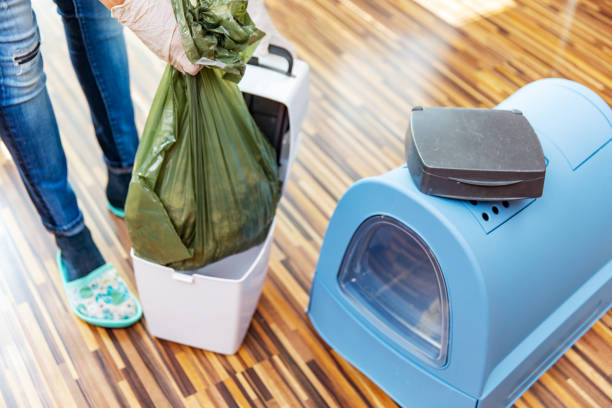
When it comes to banishing cat smells from your home, it’s essential to target those specific problem areas where odors tend to linger. From carpets and upholstery to curtains and corners, there are strategic cleaning strategies you can employ to effectively eliminate cat smells and keep your home smelling fresh.
1. Cat-Smell Hotspots
Certain areas of your home may be more prone to trapping cat odors than others. Carpets, upholstery, and curtains, for example, can absorb and retain odors, making them prime targets for cat-smell removal. Additionally, corners and nooks where cats may spray or mark territory can also become problem areas if not addressed promptly.
2. Carpet Care
Carpets are notorious for trapping and holding onto cat smells, but with the right cleaning techniques, you can restore freshness to your floors. Start by vacuuming thoroughly to remove any surface debris and pet hair. Then, apply a cat-specific enzymatic cleaner or odor eliminator to target any lingering odors embedded deep within the carpet fibers. For stubborn stains, consider using a carpet shampooer or steam cleaner for a more intensive clean.
3. Upholstery Upkeep
Like carpets, upholstery can absorb and retain cat odors, particularly in areas where pets like to lounge or nap. To tackle cat smells on upholstery, begin by vacuuming any pet hair or loose debris. Next, spot-clean any visible stains or areas of odor using a cat-specific enzymatic cleaner or upholstery shampoo. Be sure to test any cleaning products in an inconspicuous area first to ensure they won’t damage or discolor the fabric.
4. Curtain Call
Even curtains can fall victim to cat smells, especially if your feline friends like to rub against or perch on them. To freshen up curtains and eliminate odors, remove them from the rod and shake them out to remove any dust or pet hair. Depending on the fabric, you may be able to machine wash them on a gentle cycle with a mild detergent. Alternatively, you can spot-clean any areas of odor using a cat-safe cleaner or simply hang them outside to air out in the fresh air and sunlight.
5. Deep-Cleaning Techniques
For particularly stubborn cat smells or deeply embedded odors, deep-cleaning techniques may be necessary. Consider renting a carpet cleaner or upholstery steam cleaner to thoroughly cleanse and deodorize problem areas. Additionally, steam cleaning can be effective for killing bacteria and allergens that contribute to lingering cat smells.
By targeting specific problem areas and employing effective cleaning techniques, you can effectively eliminate cat smells from your home and create a fresh, inviting environment for both you and your pets. With a little effort and the right cleaning products, you’ll be able to enjoy a cat-friendly home that smells clean and welcoming, free from unwanted odors.
5. Harnessing Nature’s Solutions: Natural Remedies for Cat Smells
When it comes to combating cat smells in your home, sometimes the simplest solutions are the most effective. Natural remedies and do-it-yourself (DIY) solutions offer a gentle yet powerful way to eliminate odors and freshen indoor spaces. From baking soda and vinegar to activated charcoal and air-purifying houseplants, there are plenty of eco-friendly options to choose from.
1. Baking Soda Power
Baking soda is a tried-and-true remedy for neutralizing cat smells in your home. Its porous texture makes it ideal for absorbing odors, making it a versatile solution for freshening up carpets, upholstery, and other surfaces. Simply sprinkle baking soda liberally over problem areas, let it sit for a few hours or overnight, then vacuum or brush it away to reveal fresher, odor-free surroundings.
2. Vinegar Victory
Vinegar is another natural powerhouse when it comes to combating cat smells. Its acidic properties help to break down and neutralize odors, making it an effective cleaning agent for a variety of surfaces. Mix equal parts vinegar and water in a spray bottle and mist over cat-smell hotspots like carpets, upholstery, and curtains. Allow the solution to air dry to banish odors and leave behind a fresh, clean scent.
3. Activated Charcoal Charm
Activated charcoal is renowned for its ability to absorb and trap odors, making it an excellent choice for combating cat smells in your home. Place activated charcoal sachets or bags near problem areas such as litter boxes, pet beds, or areas where your cats like to spend time. The charcoal will work its magic to absorb and neutralize odors, leaving your home smelling fresher and cleaner.
4. Greenery Goodness
Incorporating houseplants known for their air-purifying properties can also help freshen indoor spaces and eliminate cat smells. Plants such as spider plants, Boston ferns, and peace lilies are excellent choices for improving indoor air quality and reducing odors. Not only do they add a touch of greenery to your home, but they also act as natural air filters, removing harmful toxins and impurities from the air.
By harnessing the power of natural remedies and DIY solutions, you can effectively combat cat smells in your home without relying on harsh chemicals or artificial fragrances. With ingredients like baking soda, vinegar, activated charcoal, and air-purifying houseplants, you can create a clean, fresh-smelling environment that both you and your feline friends can enjoy.
6. Breathing Easy: Improving Air Quality to Combat Cat Smells
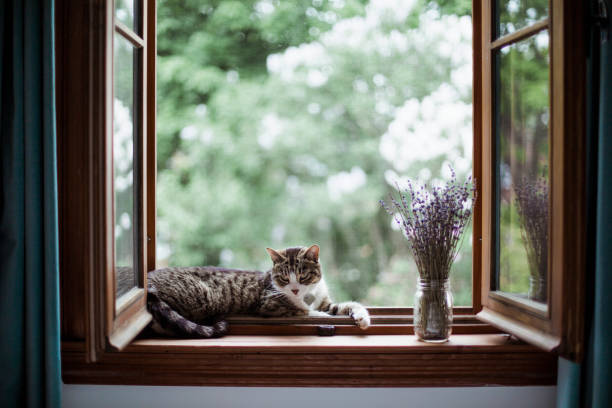
When it comes to banishing stubborn cat smells from your home, improving air quality can make a world of difference. By implementing simple strategies to enhance ventilation and circulation and utilizing air purifiers or filters, you can effectively remove airborne allergens and odors associated with cat dander, creating a fresher and more pleasant indoor environment.
1. Fresh Air Flow
One of the easiest ways to reduce lingering cat smells in your home is to improve ventilation and air circulation. Open windows and doors whenever possible to allow fresh air to flow through your living spaces, flushing out stale odors and replacing them with clean, outdoor air. Consider installing exhaust fans in bathrooms and kitchens to remove moisture and odors at the source, helping to prevent them from spreading throughout your home.
2. Purifying Power
Air purifiers or filters can also be effective tools for combating cat smells and improving indoor air quality. These devices work by trapping airborne particles, including allergens and odors, and circulating clean, purified air back into your home. Look for air purifiers specifically designed to remove pet dander and odors, and place them in rooms where your cats spend the most time or where cat smells are most concentrated.
3. Cleaning with Care
In addition to enhancing air quality, regular cleaning and maintenance are essential for keeping cat smells at bay. Establish a consistent cleaning routine that includes vacuuming carpets and upholstery, dusting surfaces, and washing bedding and curtains to remove accumulated cat dander and odors. Use cleaning products specifically formulated to neutralize cat smells, and avoid harsh chemicals that may exacerbate odors or pose risks to pets.
4. Odor Eliminating Tips
To target specific areas where cat smells tend to linger, such as carpets, upholstery, and curtains, consider using targeted odor eliminating techniques. Sprinkle baking soda liberally over problem areas and allow it to sit for several hours or overnight before vacuuming away to absorb and neutralize odors. Alternatively, mix equal parts vinegar and water in a spray bottle and mist over surfaces to help break down and eliminate lingering odors.
By implementing these strategies to improve air quality and eliminate cat smells from your home, you can create a cleaner, fresher living environment for both you and your feline companions to enjoy. With a little effort and attention to detail, you can breathe easy knowing that your home is free from unwanted odors and allergens, allowing you to fully appreciate the joy of sharing your space with your beloved cats.
In conclusion, understanding the sources of cat smells and implementing effective strategies to combat them is key to maintaining a fresh and odor-free home environment. By addressing common culprits such as litter boxes, urine marking, and dander, you can identify specific problem areas and target them with appropriate cleaning techniques and products. Regular cleaning and maintenance, along with the use of natural remedies and air purification methods, can help keep cat smells at bay and create a more pleasant living space for both you and your furry companions.
By staying proactive and diligent in your approach to managing cat smells, you can enjoy a cleaner, fresher home that is free from unwanted odors and allergens. With the right tools and techniques, you can breathe easy knowing that your home is a welcoming and comfortable space for both you and your beloved cats.