



Can you mop hardwood floors?
Contents
Introduction
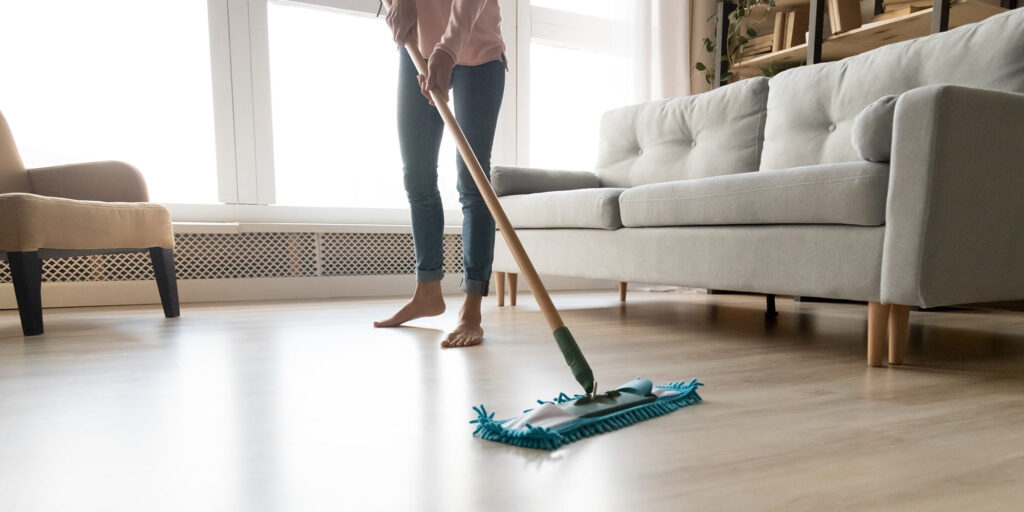
Explanation of the topic: Hardwood floors add timeless elegance and warmth to any home. However, to preserve their beauty and longevity, proper cleaning is essential. One common question that arises is whether you can safely mop hardwood floors. In this article, we’ll explore the ins and outs of mopping hardwood floors, address concerns, and provide guidance on how to do it effectively.
Highlight the necessity of proper cleaning to maintain hardwood floors: Keeping hardwood floors clean isn’t just about aesthetics; it’s also about protecting your investment. Dirt, grime, and spills can wear down the finish and, over time, damage the wood itself. Therefore, understanding the right techniques for cleaning hardwood floors is crucial to ensuring they retain their charm for years to come.
Understanding Hardwood Floors
Characteristics of hardwood: Hardwood floors are prized for their natural beauty, durability, and timeless appeal. Typically made from solid wood or engineered wood planks, hardwood floors come in various species, each with its own unique grain patterns and colors. Unlike synthetic flooring materials, hardwood has a warm, inviting look that adds character to any space. Additionally, hardwood floors can be sanded and refinished multiple times, allowing them to last for generations when properly maintained.
Discuss common vulnerabilities and the need for careful cleaning. Despite their durability, hardwood floors are not immune to damage. Common vulnerabilities include scratches, dents, and water damage. Improper cleaning techniques, such as using harsh chemicals or excessive water, can strip away the protective finish or cause warping and staining. Therefore, it’s essential to approach cleaning hardwood floors with care and attention to detail, using gentle methods that preserve the integrity of the wood.
Addressing the Question: Can You Mop Hardwood Floors?
Clarify that mopping is possible but requires specific techniques. Yes, you can mop hardwood floors, but it’s crucial to do so correctly to avoid damage. Mopping can effectively remove dirt, grime, and stains from hardwood surfaces when done using the right tools and techniques. However, it’s essential to be mindful of the amount of water used and to avoid harsh cleaning agents that can harm the wood’s finish.
Explain the potential risks associated with improper mopping: Improper mopping techniques pose several risks to hardwood floors. Using excessive water can lead to warping, cupping, or buckling of the wood planks. Harsh cleaning agents may strip away the protective finish, leaving the wood vulnerable to scratches and stains. Additionally, using abrasive scrubbers or brushes can cause surface damage, diminishing the floor’s appearance over time. Therefore, it’s essential to approach mopping hardwood floors with caution and to follow best practices to minimize the risk of damage.
Best Practices for Mopping Hardwood Floors
Choosing the right products: Selecting the appropriate cleaning solutions and tools is crucial for safely mopping hardwood floors. opt for pH-neutral hardwood floor cleaners specifically formulated for wood surfaces. Avoid harsh chemicals, such as bleach or ammonia, as they can damage the finish. Additionally, choose a mop with a microfiber or soft cloth head to prevent scratching and to absorb excess moisture effectively.
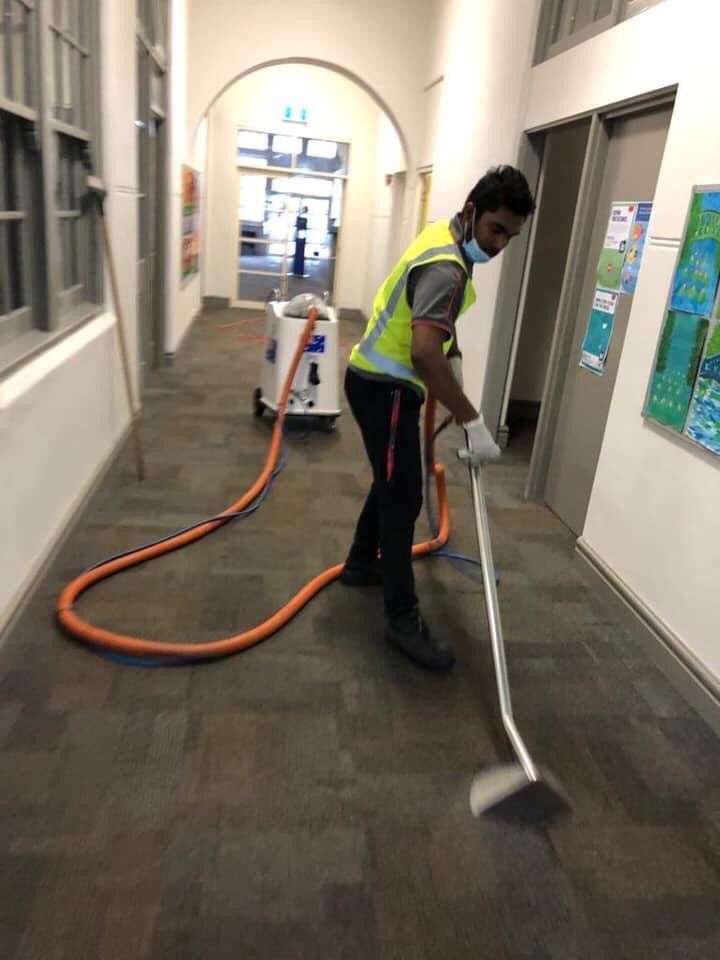
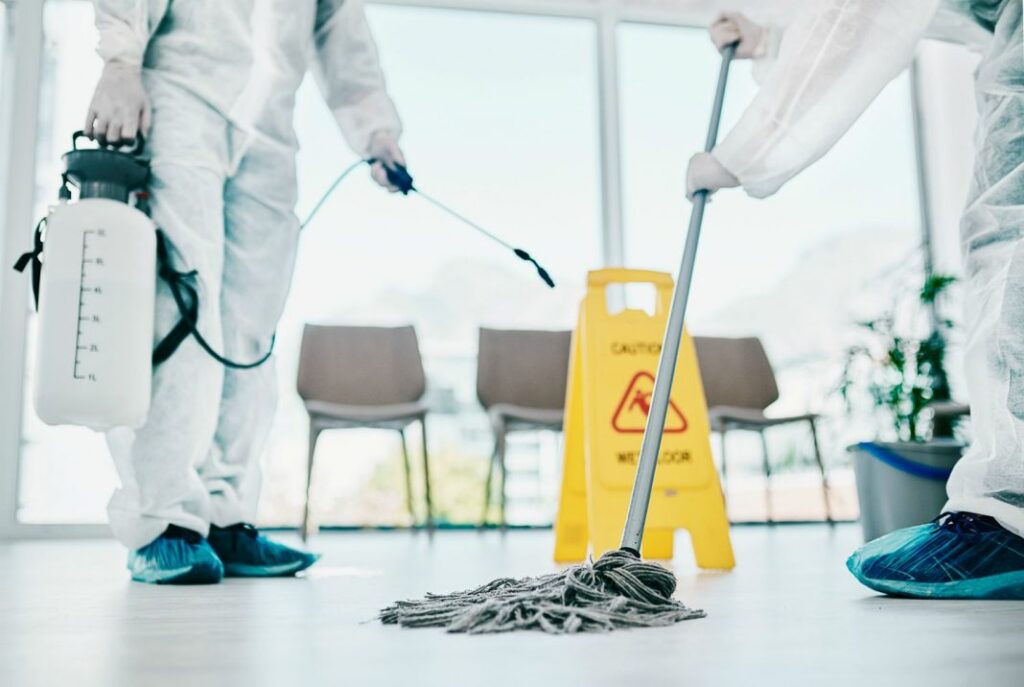
Step-by-step guide: Follow these steps for a safe and effective mopping method:
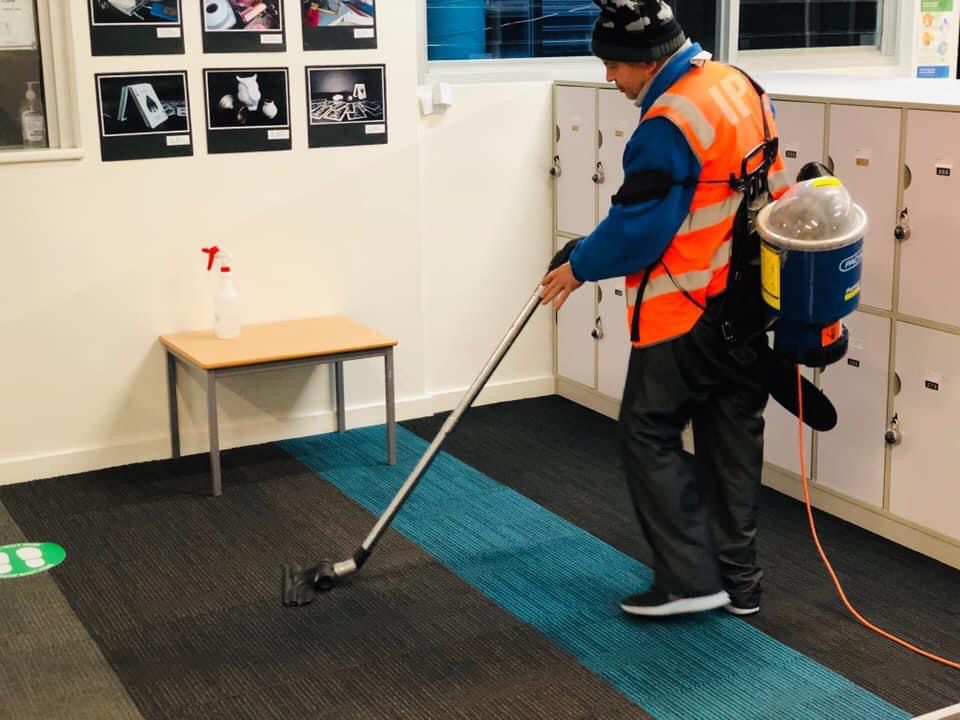
Start by sweeping or vacuuming the hardwood floor to remove loose dirt, dust, and debris.
Dilute the hardwood floor cleaner according to the manufacturer’s instructions in a bucket of water.
Dip the mop into the cleaning solution and wring out excess liquid until the mop is damp but not dripping.
Begin mopping in small sections, working with the grain of the wood.
Avoid saturating the floor with water; instead, use gentle, back-and-forth motions to clean the surface.
Rinse the mop frequently and change the cleaning solution as needed to prevent spreading dirt.
Once the entire floor is mopped, dry it immediately with a clean, dry towel or a microfiber mop to remove any remaining moisture.
Offer additional tips for successful cleaning without damage:
Use felt pads or furniture protectors on the legs of furniture to prevent scratches when moving them.
Place doormats at entryways to trap dirt and debris before it reaches the hardwood floors.
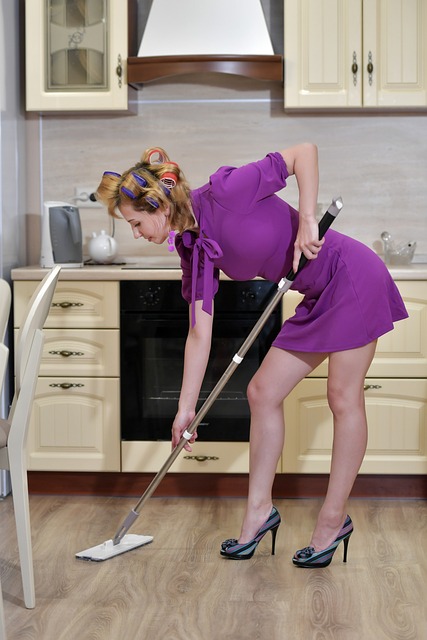
Avoid wearing high heels or shoes with abrasive soles on hardwood floors, as they can cause scratches.
Establish a regular cleaning routine to maintain the beauty of your hardwood floors.
By following these best practices, you can effectively clean your hardwood floors without risking damage, ensuring they remain beautiful and durable for years to come.
Maintaining Hardwood Floors
Stress the importance of regular maintenance and establishing a cleaning routine. Regular maintenance is essential for preserving the beauty and integrity of hardwood floors. Establishing a consistent cleaning routine not only keeps floors looking their best but also helps prevent damage and prolongs their lifespan. Sweep or vacuum hardwood floors regularly to remove dirt, dust, and debris that can scratch the surface. Additionally, schedule periodic mopping using gentle cleaning solutions to maintain cleanliness without compromising the wood’s finish.
Provide advice on preventing damage and maintaining the floor’s appearance. To prevent damage and maintain the appearance of hardwood floors, consider the following tips:
Place area rugs or mats in high-traffic areas and near entryways to trap dirt and prevent scratches.
Use furniture pads or felt protectors on the legs of chairs, tables, and other furniture to prevent scratches and dents.
Trim pets’ nails regularly to minimize scratches on hardwood floors.
Avoid dragging heavy furniture or appliances across hardwood floors; instead, use furniture sliders or lift objects when moving them.
Control indoor humidity levels to prevent expansion and contraction of the wood, which can lead to gaps or warping. Use a humidifier during dry months and ensure proper ventilation in humid climates.
Schedule professional maintenance, such as sanding and refinishing, as needed to restore the wood’s appearance and protect it from wear and tear.
By following these maintenance tips and establishing a regular cleaning routine, you can ensure your hardwood floors remain beautiful, durable, and functional for years to come.
Conclusion
In conclusion, maintaining the beauty and longevity of hardwood floors requires careful attention and proper cleaning techniques. Throughout this article, we’ve explored the question, “Can you mop hardwood floors?” The answer is yes, but with specific guidelines to ensure safety and effectiveness.
We began by understanding the characteristics of hardwood floors and the importance of proper cleaning to maintain their integrity. Addressing the question of mopping hardwood floors, we clarified that it is indeed possible but emphasized the necessity of specific techniques.
By following the best practices outlined, such as choosing the right products, following a step-by-step guide, and implementing additional tips for successful cleaning, you can effectively clean your hardwood floors without risking damage.
Furthermore, we stressed the significance of regular maintenance and establishing a cleaning routine to prevent damage and maintain the floor’s appearance. From preventing scratches to controlling indoor humidity levels, proactive measures are essential for preserving the beauty and functionality of hardwood floors.
In essence, proper cleaning techniques play a vital role in preserving the natural beauty and longevity of hardwood floors. By adhering to these guidelines, you can ensure that your hardwood floors remain a timeless and elegant feature of your home for years to come.