


1. Hygiene Factors
Contents

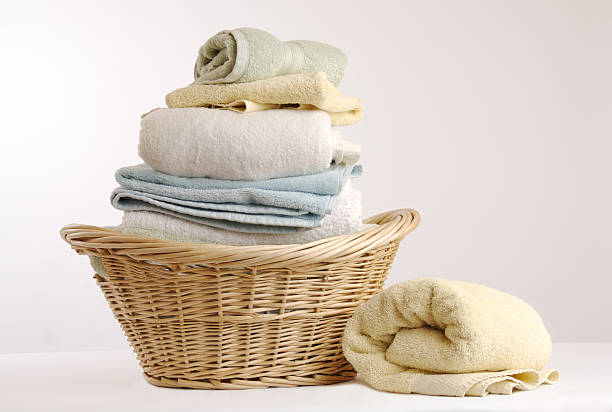
Towels, those trusty companions of our daily routines, are like silent superheroes in the world of hygiene. But did you know they have secrets? Yup, underneath their soft exterior, they can hide some not-so-nice stuff if we’re not careful. That’s where towel hygiene comes in! It’s all about knowing when to change them, how to take care of them, and when it’s time to say goodbye. So, let’s dive into the world of towels and discover how to keep them fresh, clean, and ready for action!
Towels are an essential part of our daily routines, aiding in our personal hygiene after showers, baths, or handwashing. However, what many of us may not realize is that these trusty companions can also become breeding grounds for bacteria, mold, and other harmful germs if not properly cared for. Yes, the very item meant to keep us clean can, ironically, become a source of contamination if neglected.
Picture this: you step out of a refreshing shower and reach for your towel, expecting it to be a beacon of cleanliness. But, unbeknownst to you, that seemingly innocent towel has been silently collecting moisture in its fibers, creating the perfect environment for bacteria to thrive. Each time you use it, you transfer some of these microbes onto your skin, potentially leading to skin irritations, infections, or other health issues.
Furthermore, towels left damp or wet for extended periods provide an ideal breeding ground for mold and mildew. These unwelcome guests not only cause unpleasant odors but can also trigger allergies or respiratory problems, particularly in individuals with sensitivities.
Regularly changing towels is crucial for breaking this cycle of contamination. By swapping out your towels frequently, you minimize the risk of bacteria buildup and ensure that you’re drying off with a clean, fresh surface each time. Experts recommend washing towels after every three to four uses, though this may vary depending on factors such as humidity levels and personal hygiene habits.
Remember, it’s not just about washing your body; it’s about ensuring that the towel you’re using is clean too. So, the next time you reach for your trusty towel, take a moment to consider its hygiene status. Your skin—and overall health—will thank you for it.
2. the frequency of towel changes

When it comes to maintaining optimal hygiene, the humble towel plays a crucial role. But how often should you swap out your towels to ensure they’re doing their job effectively? Let’s delve into the expert advice surrounding towel hygiene.
Dermatologists and microbiologists unanimously agree that regular towel changes are essential for minimizing the risk of bacterial contamination. You see, every time you use a towel, whether it’s to dry off after a shower or wipe your hands, you transfer moisture, dead skin cells, and potentially harmful microbes onto its surface. Over time, this can create an environment ripe for bacterial growth if left unchecked.
So, what’s the recommended frequency for changing towels? According to experts in the field, such as dermatologists and microbiologists, towels should ideally be changed every three to four uses. This recommendation is based on the understanding that towels accumulate moisture and bacteria with each use, increasing the risk of skin irritation or infection if not replaced regularly.
Of course, individual circumstances may warrant more frequent towel changes. For instance, households with multiple occupants or individuals with certain skin conditions may need to swap out towels more often to maintain optimal hygiene. Additionally, factors such as humidity levels and proper towel care can also influence how frequently they should be replaced.
The bottom line? Don’t underestimate the importance of regular towel changes in your hygiene routine. By adhering to expert recommendations and swapping out your towels every few uses, you can help mitigate the risk of bacterial contamination and ensure that you’re drying off with a clean, fresh towel each time.
So, the next time you reach for your trusty towel, remember the golden rule: keep it clean, keep it fresh, and keep your skin happy and healthy.
3. Usage Considerations

When determining how often towels need to be changed, several factors come into play, each influencing the frequency of towel replacement. Firstly, the number of people utilizing the towel plays a pivotal role. In a household with multiple occupants sharing a single towel, the towel may require more frequent changes compared to a scenario where each person has their designated towel. The more individuals using the towel, the quicker it accumulates moisture, dirt, and bacteria, necessitating more frequent changes to maintain hygiene standards.
Additionally, the frequency of towel usage directly impacts its lifespan. A towel utilized multiple times throughout the day will likely need replacement more frequently than one used sparingly. For instance, in households where individuals shower or bathe daily, towels will typically require more frequent changing compared to those used in guest bathrooms or in situations where bathing occurs less frequently.
Climate is another crucial consideration. In humid environments, towels tend to retain moisture longer, creating a breeding ground for bacteria and mold. In such conditions, towels may need to be changed more frequently to prevent unpleasant odors and maintain hygiene. Conversely, in drier climates, towels may dry more quickly between uses, potentially extending the time between changes.
Personal hygiene habits of individuals also influence towel longevity. Those who diligently dry themselves before using a towel are less likely to transfer dirt and bacteria onto it, thus prolonging its usability. Conversely, individuals with less rigorous hygiene practices may soil towels more quickly, necessitating more frequent changes to uphold cleanliness standards.
Moreover, the type of towel and its quality can affect how often it needs to be changed. Towels made from high-quality materials and with superior absorbency may last longer between washes compared to lower-quality counterparts.
Overall, the frequency of towel changes depends on a combination of these factors, with each playing a distinct role in determining when it’s time to swap out that trusty towel for a fresh one.
4. Signs to Change your Towel
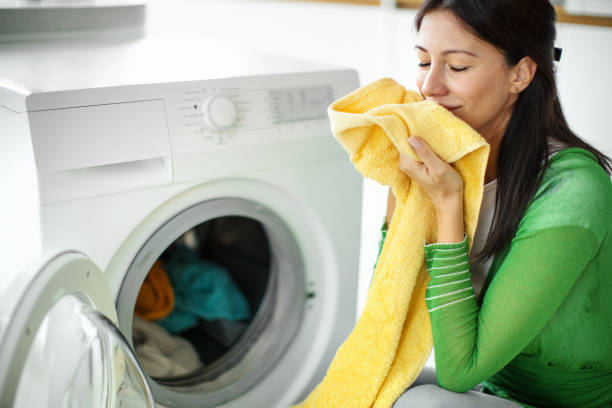
Ah, the humble towel – a faithful companion in the daily dance of cleanliness. Yet, even the most loyal of linens must eventually bid adieu when signs of wear and tear begin to rear their unsightly heads. So, how does one discern when it’s time for a towel to take its final bow and gracefully exit stage left? Fear not, for I present to you the telltale signs that your trusty towel is ready for retirement.
First on the list of towel tribulations is the dreaded olfactory assault: unpleasant odors. Picture this – you’ve just emerged from a soothing shower, only to be greeted by a less-than-pleasant aroma emanating from your once-faithful towel. No amount of washing seems to banish the stench, signaling that it may be time to bid adieu to your malodorous mate.
Next up, we have the visual cues of towel turmoil: visible stains and discoloration. From makeup mishaps to mysterious marks of unknown origin, these unsightly blemishes serve as glaring reminders that your towel’s days of pristine purity are but a distant memory. When stains stubbornly refused to budge, it’s a sign that your towel’s effectiveness has waned, and a replacement is in order.
Then there’s the tactile torment of a rough texture. Once plush and inviting, your towel now feels more akin to sandpaper against your delicate skin. The softness has vanished, replaced by a coarse, abrasive surface that leaves you yearning for the comfort of a fresh, velvety towel.
But wait, there’s more! Lingering dampness, the bane of towel existence. Instead of drying with haste, your towel seems to cling to moisture like a stubborn barnacle on a ship’s hull. This prolonged dampness not only breeds unpleasant odors but also creates a cozy habitat for mold and mildew, making it high time for a towel switcheroo.
Last but not least, keep an eye on those fraying edges. Like the unraveling threads of a well-worn tapestry, frayed edges signal that your towel’s fabric is succumbing to the rigors of time and use. As the threads unravel, so too does your towel’s ability to effectively fulfill its drying duties.
So, there you have it, dear reader – the harbingers of towel tribulation. Keep these signs in mind, and you’ll know precisely when it’s time to bid farewell to your faithful linen friend and welcome a fresh, pristine replacement into your daily routine.
5. Types of Towels

Let’s dive into the world of towels and unravel the mysteries of their replacement frequencies based on their types and usage scenarios.
Firstly, consider the mighty bath towel, the stalwart defender against post-shower dampness. Given its primary role in absorbing large amounts of moisture, bath towels typically warrant more frequent replacement compared to their smaller counterparts. Think about it: they’re subjected to daily drenching and come into direct contact with the entirety of your freshly washed body. This constant exposure to moisture and body oils can quickly lead to a buildup of bacteria and unpleasant odors, necessitating regular swaps for a fresh, clean towel.
Next, we have the humble hand towel, a diminutive yet indispensable member of the towel family. While hand towels may not endure the same level of moisture saturation as bath towels, they still face their fair share of grime and germs. Constant use in the kitchen or bathroom means they accumulate dirt, grease, and bacteria at a quicker pace. Therefore, hand towels often benefit from more frequent changes to maintain hygiene standards and keep pesky odors at bay.
And let us not forget the unsung hero of the culinary realm – the kitchen towel. From wiping spills to drying dishes, these versatile towels lead lives of constant activity and, consequently, require regular refreshment. Given their frequent encounters with food particles and spills, kitchen towels can become breeding grounds for bacteria if not replaced frequently. To prevent cross-contamination and maintain a clean cooking environment, it’s essential to swap out kitchen towels regularly.
In essence, different types of towels do indeed necessitate varying replacement frequencies based on their usage and exposure to moisture. Whether it’s the full-body embrace of a bath towel, the quick dab of a hand towel, or the culinary escapades of a kitchen towel, each plays a distinct role in our daily lives and deserves the appropriate attention when it comes to maintaining cleanliness and hygiene.
6. Proper Care and Maintenance

Let’s delve into the art of towel TLC, ensuring these trusty textiles remain in tip-top shape for as long as possible.
First and foremost, when it comes to washing towels, remember this golden rule: separate the towel tribe from the rest of your laundry. Why, you ask? Well, towels have a knack for shedding lint and fibers, which can cling to other garments like velcro, causing unsightly fuzziness. So, give your towels their own washing party, preferably in warm water with a gentle detergent. Avoid using fabric softeners or harsh chemicals, as they can leave behind residue that diminishes absorbency.
Now, onto drying methods – a crucial step in the towel care regimen. While the allure of a scorching hot dryer may be tempting, it’s best to opt for a gentler approach. Tumble dry your towels on a low heat setting to prevent damage to the fibers and preserve their softness. For an added bonus, toss in a couple of clean tennis balls to fluff up your towels like they’ve just stepped out of a spa retreat.
When it comes to storage, proper ventilation is key to keeping your towels fresh and mold-free. Avoid cramming them into a dark, dank cabinet where moisture can linger like an unwelcome guest. Instead, opt for an open-air storage solution that allows for ample airflow. Bonus points if you can bask your towels in the warm embrace of natural sunlight from time to time – not only does it help keep them dry and odor-free, but it also adds a touch of freshness reminiscent of a breezy summer day.
Last but not least, a word of caution: avoid overloading your washing machine or dryer with too many towels at once. While it may be tempting to expedite the laundry process, overcrowding can lead to insufficient cleaning and drying, leaving your towels less than squeaky clean and fluffy.
So, there you have it – the lowdown on proper towel care and maintenance. By following these simple yet effective tips, you’ll ensure that your beloved towels remain soft, absorbent, and oh-so-inviting for many laundry cycles to come.
Conclusion And there you have it, folks – the lowdown on towel hygiene! By now, you’re probably seeing towels in a whole new light, right? Remember, keeping them clean and fresh is key to a happy, healthy routine. So, next time you reach for your trusty towel, give it a little extra love. After all, it’s been there for you through every splash and spill. Here’s to many more clean, cozy moments with our faithful towel friends!