



White vinegar in washing
Contents
Introduction
Explanation of the topic: Laundry care often involves using various cleaning agents and additives to achieve desired results. One such natural and effective alternative is white vinegar. White vinegar, a common household item, offers numerous benefits when used in washing. Its versatile properties make it an excellent addition to laundry routines, offering a range of advantages beyond traditional laundry products.
Importance of the topic: Incorporating white vinegar into laundry routines is essential for achieving cleaner, fresher clothes without relying on harsh chemicals or synthetic additives. White vinegar acts as a natural fabric softener, odor eliminator, and color brightener, making it an invaluable tool for maintaining the quality and longevity of garments. By highlighting the benefits of using white vinegar in washing, individuals can make informed choices to enhance their laundry routines and achieve optimal results while minimizing environmental impact.

Benefits of Using White Vinegar in Washing
Softening Clothes:
White vinegar serves as a natural fabric softener, thanks to its acidic properties. When added to the rinse cycle, it helps break down detergent residue and mineral deposits, leaving clothes feeling soft and comfortable against the skin. Unlike commercial fabric softeners, white vinegar does not leave behind any sticky or oily residue, making it ideal for those with sensitive skin.
Odor Elimination:
White vinegar is a powerful odor neutralizer, capable of eliminating stubborn smells like sweat or mildew. Its acidic nature helps to break down odor-causing bacteria and neutralize unpleasant odors, leaving clothes smelling fresh and clean. Adding white vinegar to the wash cycle or using it as a pre-treatment for heavily soiled garments can effectively banish even the toughest odors.
Color Brightening:
Preserving the vibrancy of colors is essential for maintaining the appearance of clothes over time. White vinegar helps brighten colors and prevent fading by removing detergent residue and mineral deposits that can dull fabrics. By adding white vinegar to the rinse cycle, you can ensure that your colored clothes retain their brilliance and look their best wash after wash.
Stain Removal:
White vinegar is a versatile stain remover that can tackle a wide range of stains, from food and drink spills to grass and grease stains. Its acidic nature helps to break down and dissolve stains, making them easier to lift during the wash cycle. For best results, apply white vinegar directly to the stained area before washing or add it to the pre-wash cycle to help loosen stubborn stains.
Static Reduction:
Static cling can be a nuisance during the laundry cycle, causing clothes to stick together and cling to the skin. White vinegar helps reduce static cling by neutralizing static electricity and creating a barrier between fabrics. Adding white vinegar to the rinse cycle or using dryer balls soaked in vinegar can effectively reduce static and make clothes easier to manage.
Sanitization:
In addition to its cleaning properties, white vinegar also possesses antimicrobial properties that help sanitize laundry. It can effectively kill bacteria, viruses, and fungi, ensuring that clothes are not only clean but also hygienic. This makes white vinegar an excellent choice for sanitizing towels, bedding, and other items that come into contact with the skin.
By incorporating white vinegar into your laundry routine, you can enjoy softer, fresher, and cleaner clothes while also benefiting from its natural cleaning and sanitizing properties.
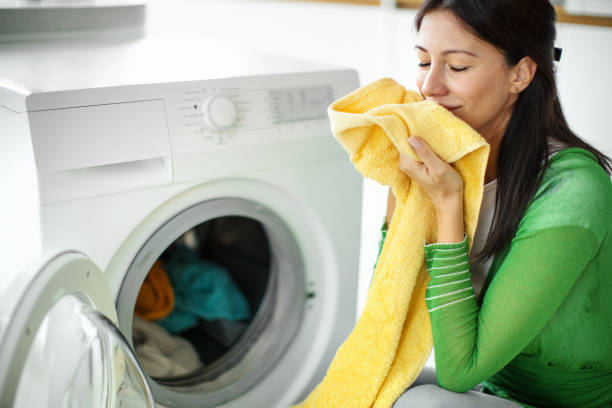
How to Use White Vinegar in Washing
Incorporating into the Rinse Cycle:
To utilize white vinegar as a fabric softener and odor eliminator, simply add it to the rinse cycle of your washing machine. Measure out the desired amount of white vinegar, typically half a cup to one cup, depending on the size of the load and the level of softness desired. Pour the white vinegar directly into the fabric softener dispenser, or add it during the rinse cycle. Allow the washing machine to complete the cycle as usual, and enjoy softer, fresher-smelling laundry.
Pre-treating Stains:
For stubborn stains, white vinegar can be used as a pre-treatment to help loosen and lift the stain before washing. Begin by diluting white vinegar with an equal amount of water in a spray bottle or small bowl. Apply the diluted vinegar solution directly to the stained area, ensuring it is fully saturated. Allow the vinegar solution to sit on the stain for at least 10–15 minutes before proceeding with the regular wash cycle. For particularly tough stains, you may need to scrub the area gently with a soft-bristled brush before washing.
Adjusting Quantity:
The amount of white vinegar used in washing can vary depending on factors such as the size of the laundry load, water hardness, and personal preferences. As a general guideline, start with half a cup to one cup of white vinegar per load of laundry. For smaller loads or softer water, you may find that less vinegar is needed, while larger loads or harder water may require a bit more. Experiment with different quantities to find the perfect balance for your laundry needs.
Safety Considerations:
While white vinegar is generally safe to use in laundry, it’s essential to handle it with care to avoid any potential accidents or irritation. When pouring or handling white vinegar, be cautious to avoid contact with eyes and skin, as it can cause irritation or discomfort. Additionally, store white vinegar in a secure location away from children and pets to prevent accidental ingestion. Lastly, never mix white vinegar with bleach or other household cleaning products, as this can produce harmful fumes.

Tips and Tricks for Maximizing Effectiveness
Choosing the Right Vinegar:
When using vinegar for laundry purposes, it’s crucial to opt for white vinegar specifically. White vinegar, also known as distilled vinegar, is clear and has a milder flavor compared to other types of vinegar, like apple cider vinegar or red wine vinegar. This ensures that it won’t stain or leave behind any residue on your clothes. While other types of vinegar may have their uses in cleaning, white vinegar is the best choice for laundry.
Testing on Small Areas:
Before incorporating white vinegar into your laundry routine on a larger scale, it’s advisable to test it on a small, inconspicuous area of fabric. This allows you to ensure compatibility and avoid any potential issues, such as discoloration or damage to the fabric. Apply a small amount of diluted vinegar to the test area and observe any reactions before proceeding with full-scale use. This simple step can help prevent unwanted mishaps and ensure optimal results.
Mixing with Detergent:
For enhanced cleaning power, consider mixing white vinegar with your regular laundry detergent. Adding white vinegar to your detergent can help boost its effectiveness in removing stains, brightening colors, and eliminating odors. Simply add the desired amount of white vinegar to the detergent dispenser or directly to the washing machine drum along with your detergent. Experiment with different ratios to find the combination that works best for your laundry needs.
Storage and Shelf Life:
To maintain the effectiveness and shelf life of white vinegar over time, proper storage is essential. Store white vinegar in a cool, dark place away from direct sunlight and heat sources, such as the pantry or cupboard. Avoid storing it in metal containers or near strong-smelling substances, as vinegar can absorb odors and react with certain metals. When stored properly, white vinegar has an indefinite shelf life and can be used for laundry and other household purposes for an extended period of time.
Conclusion
Summary of Benefits:

In summary, incorporating white vinegar into your laundry routine offers a range of benefits that contribute to cleaner, fresher clothes. From softening fabrics and eliminating odors to preserving colors and enhancing stain removal, white vinegar proves to be a versatile and effective addition to any laundry arsenal. By harnessing its natural properties, you can achieve optimal results without the need for harsh chemicals or synthetic additives.
Encouragement to Try:
If you haven’t already, we encourage you to give white vinegar a try in your laundry routine. Whether you’re dealing with stubborn stains, persistent odors, or dull colors, white vinegar can help address these issues effectively and naturally. By incorporating white vinegar into your washing, you can experience the difference it can make in achieving cleaner, fresher clothes that look and feel their best.
Final Thoughts:
As we conclude, let’s reinforce the versatility and effectiveness of white vinegar as a natural and eco-friendly solution for laundry care. Not only does it offer numerous benefits for your clothes, but it also helps reduce the environmental impact of your laundry routine by eliminating the need for harsh chemicals and synthetic additives. By choosing white vinegar, you’re not only taking care of your clothes but also contributing to a cleaner and greener planet. So why wait? Start using white vinegar in your washing today and experience the difference for yourself.