



Removing sticker residue from glass
Contents
Introduction
Explanation of the common problem: Sticker residue on glass surfaces is a prevalent issue faced by many, whether it’s leftover from price tags, labels, or decorative stickers. This sticky residue can mar the otherwise clear and pristine appearance of glass, detracting from its aesthetic appeal. The challenge lies in finding effective methods to remove the residue without damaging the glass surface itself.
Importance of addressing the problem: Removing sticker residue from glass is not just about restoring its appearance; it’s also essential for maintaining its functionality. Whether it’s a window, mirror, or glassware, the presence of sticky residue can hinder visibility, affect clarity, and even compromise the structural integrity of the glass over time. Addressing this problem promptly is crucial to ensuring that glass objects remain visually appealing and fully functional.
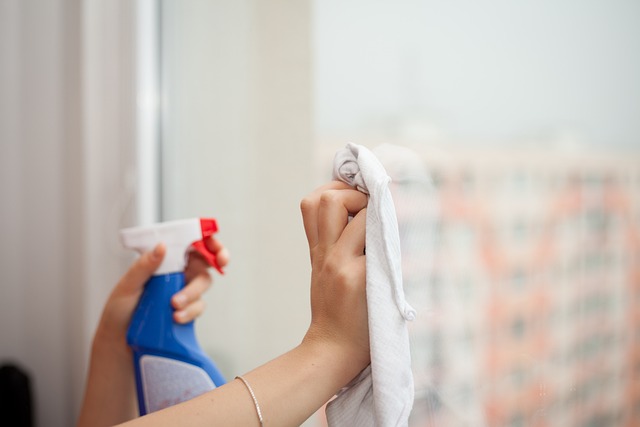
Understanding Sticker Residue on Glass
Causes of sticker residue: Stickers often leave behind residue on glass surfaces due to the adhesive properties of the stickers themselves. Adhesives are designed to create a strong bond with surfaces, making them difficult to remove completely. Additionally, environmental factors such as temperature changes and exposure to sunlight can further exacerbate the adhesion of stickers to glass, making the residue more stubborn to remove.
Effects of residue: Sticker residue on glass surfaces can have several negative impacts, both aesthetically and functionally. From a visual standpoint, the residue can mar the clarity and transparency of glass, creating unsightly marks that detract from its appearance. This can be particularly problematic for glass objects such as windows, mirrors, and display cases, where clarity is essential for optimal visibility.
Furthermore, sticker residue can also affect the usability of glass surfaces. In the case of windows and mirrors, residue may obstruct the view or create distracting reflections. On glassware and kitchenware, residue can transfer onto food or beverages, compromising hygiene and safety. Additionally, prolonged exposure to sticker residue can cause it to harden and become more difficult to remove over time, further exacerbating the problem.
Overall, the presence of sticker residue on glass surfaces can diminish both the aesthetic appeal and functionality of glass objects, highlighting the importance of addressing this issue promptly and effectively.
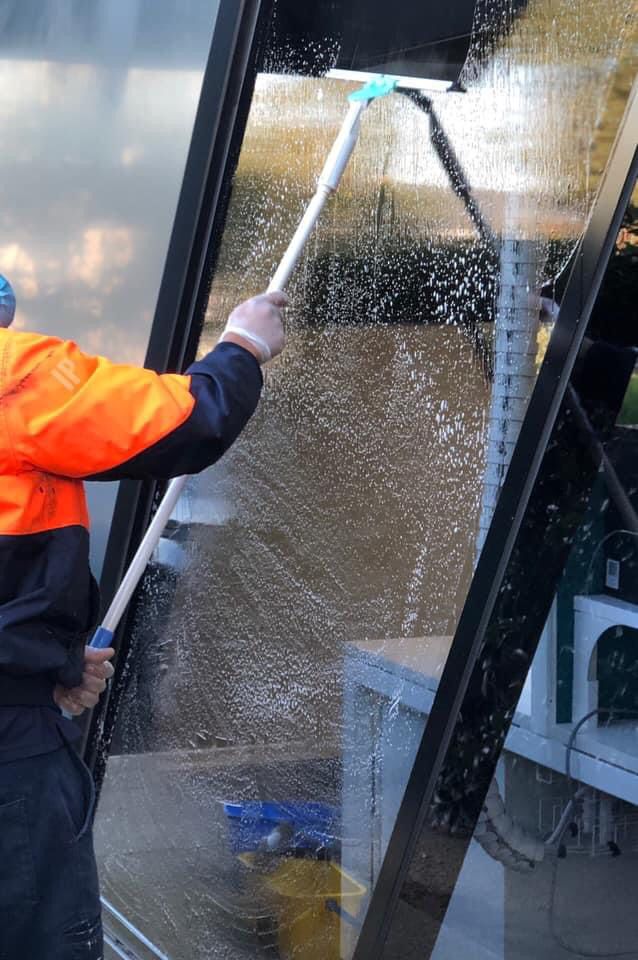
Common Methods for Removing Sticker Residue
Warm Soapy Water: Soaking glass in warm, soapy water is one of the simplest and most gentle methods for removing sticker residue. The warmth of the water helps to soften the adhesive, while the soap helps to break down the residue. After soaking for a few minutes, the residue can be easily wiped away with a soft cloth or sponge, leaving the glass clean and residue-free.
Vinegar Solution: A mixture of vinegar and water serves as a natural solvent for dissolving adhesive residue from glass surfaces. Simply spray or apply the vinegar solution to the sticker residue, let it sit for a few minutes, then wipe away with a cloth or sponge. Vinegar is not only effective but also safe for use on glass surfaces.
Rubbing Alcohol: Rubbing alcohol, also known as isopropyl alcohol, is another effective solvent for removing sticker residue from glass. Its strong alcohol content helps to dissolve the adhesive, making it easier to wipe away. Apply a small amount of rubbing alcohol to the residue using a cloth or cotton ball, then gently rub until the residue is lifted. Be sure to rinse the glass with water afterward to remove any remaining alcohol.
Oil-Based Products: Cooking oil, baby oil, or WD-40 can be used to lubricate and dissolve sticker residue on glass surfaces. Apply a small amount of the oil-based product to the residue and let it sit for a few minutes to penetrate the adhesive. Then, gently rub the residue away with a cloth or sponge. The oil helps to break down the adhesive, making it easier to remove without damaging the glass.
Commercial Adhesive Removers: There are many commercial products available specifically designed for removing adhesive residue from glass. These products typically come in spray or liquid form and contain powerful solvents that effectively dissolve the adhesive. Follow the manufacturer’s instructions carefully when using these products, and be sure to test them on a small, inconspicuous area of the glass first to ensure compatibility.
By utilizing these common methods for removing sticker residue from glass, you can effectively restore the clarity and cleanliness of glass surfaces without causing damage. Choose the method that best suits your needs and preferences, and enjoy the satisfaction of pristine, residue-free glass.
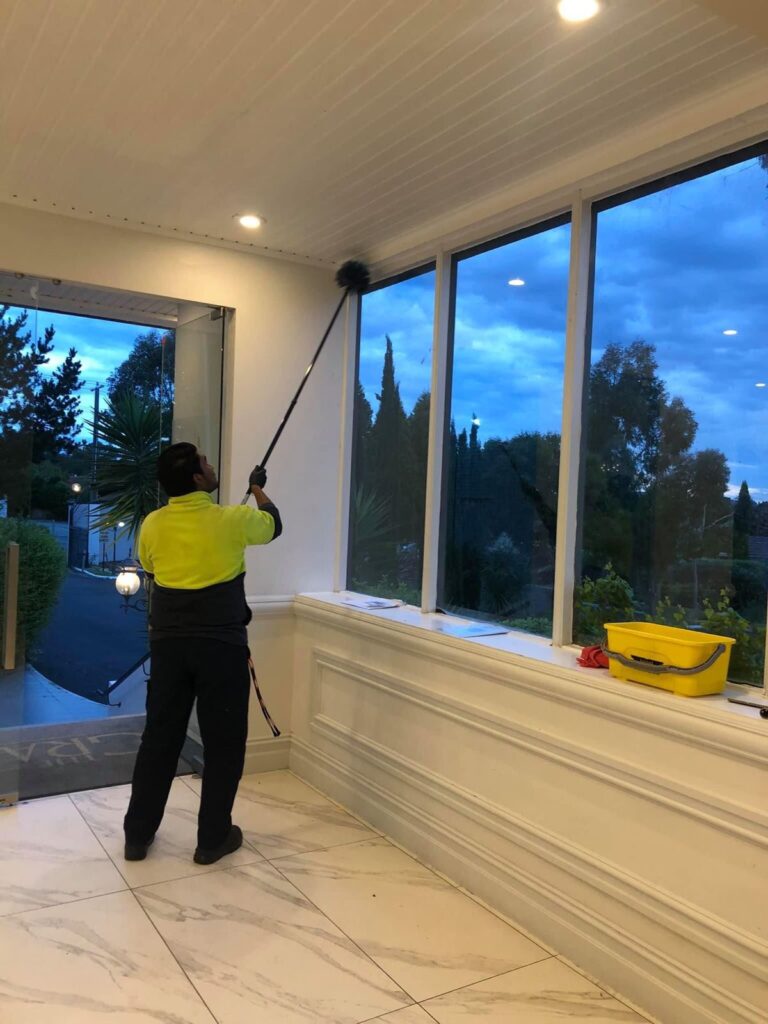
Best Practices and Safety Tips
Precautions: When removing sticker residue from glass surfaces, it’s essential to take precautions to prevent injury or damage. Wear protective gloves to protect your hands from harsh chemicals, and ensure adequate ventilation in the area to avoid inhaling fumes. Additionally, be cautious when using sharp objects like razor blades, and always handle them with care to prevent accidents. Keep children and pets away from the cleaning area to avoid exposure to cleaning products or sharp tools.
Test Patch: Before applying any cleaning solution or method to the entire glass surface, it’s crucial to test it on a small, inconspicuous area first. This allows you to assess the compatibility of the solution with the glass and ensures that it does not cause any damage or discoloration. Apply a small amount of the cleaning solution to the test patch and observe the results before proceeding with the rest of the glass surface.
Gentle Techniques: Glass is a delicate material that can scratch easily, so it’s essential to use gentle techniques when removing sticker residue. Avoid using abrasive scrubbers or harsh brushes that can scratch or damage the glass surface. Instead, opt for soft cloths or sponges that will effectively lift the residue without causing harm. Apply gentle pressure and use circular motions to avoid scratching the glass, and always rinse the glass with clean water after removing the residue to remove any remaining cleaning solution.
By following these best practices and safety tips, you can effectively remove sticker residue from glass surfaces without causing injury or damage. Remember to prioritize safety, test any cleaning solutions or methods before use, and use gentle techniques to preserve the integrity of the glass.
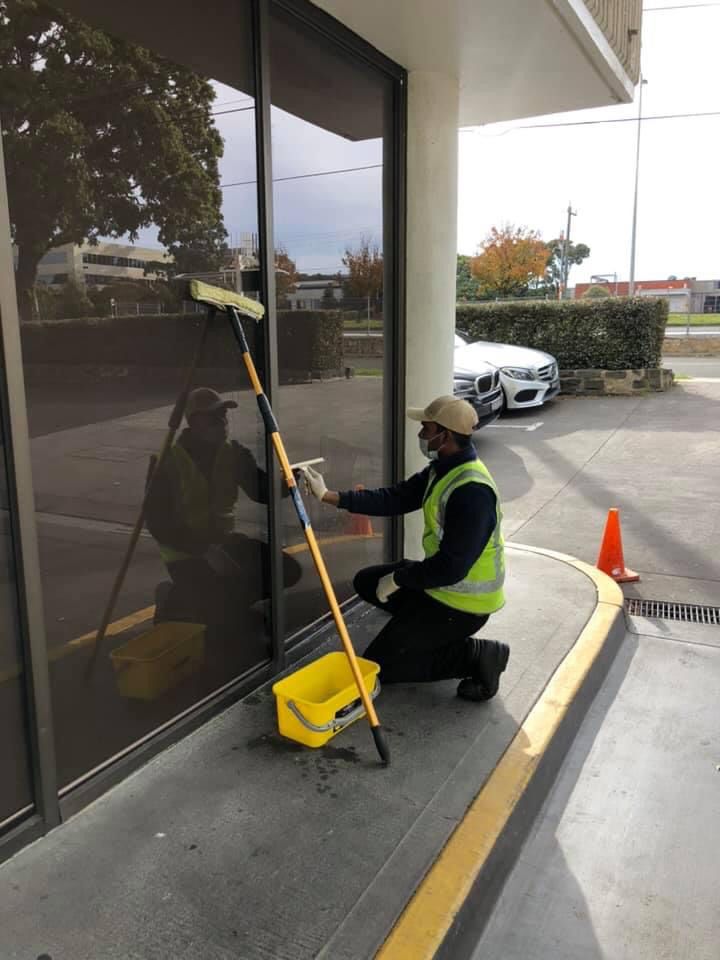
Additional Tips and Tricks
Razor Blade Method: When dealing with particularly stubborn sticker residue on glass surfaces, the razor blade method can be effective, but it requires caution and proper technique. Start by holding the razor blade at a low angle to the glass surface, being careful not to apply too much pressure. Gently scrape the residue in short, controlled strokes, taking care not to scratch the glass. It’s essential to maintain a steady hand and avoid using excessive force to prevent damage to the glass. Afterward, wipe the glass clean with a soft cloth or sponge to remove any remaining residue, and rinse with water.
Preventative Measures: To prevent sticker residue buildup on glass surfaces in the future, consider using alternative labeling methods or protective coatings. For example, instead of directly applying stickers to glass objects, use removable labels or tags that won’t leave behind adhesive residue. Alternatively, you can apply a clear, protective coating to glass surfaces, such as a spray-on sealant or wax, to create a barrier that prevents stickers from adhering directly to the glass. Additionally, regularly clean glass surfaces with mild soap and water to remove dirt and debris, which can contribute to residue buildup over time. By taking these preventative measures, you can help maintain clean and residue-free glass surfaces for longer periods of time.
Conclusion
Summary: Throughout this article, we’ve explored effective methods for removing sticker residue from glass surfaces, as well as best practices for safe and successful removal. We began by understanding the common causes of sticker residue on glass and the negative effects it can have on both aesthetics and usability. We then discussed common methods for removing residue, including warm soapy water, vinegar solutions, rubbing alcohol, oil-based products, and commercial adhesive removers. Additionally, we provided best practices and safety tips to ensure the removal process is conducted safely and effectively.
Encouragement: If you’re dealing with sticker residue on your glass surfaces, don’t hesitate to take action. By following the methods and tips outlined in this article, you can restore the cleanliness and clarity of your glass objects. Addressing sticker residue promptly not only enhances the appearance of glass but also prolongs its usability and lifespan. Take the initiative to tackle sticker residue on your glass surfaces today, and enjoy the satisfaction of clean and pristine glass.
Closing Statement: Finally, let’s reinforce the importance of maintaining clean and residue-free glass surfaces. Whether it’s windows, mirrors, glassware, or decorative objects, glass adds elegance and functionality to our homes and spaces. By prioritizing cleanliness and preservation, we can ensure that our glass surfaces remain visually appealing and fully functional for years to come. Remember, with the right methods and care, sticker residue on glass is a problem that can be effectively addressed, leading to clearer and more beautiful glass surfaces.